

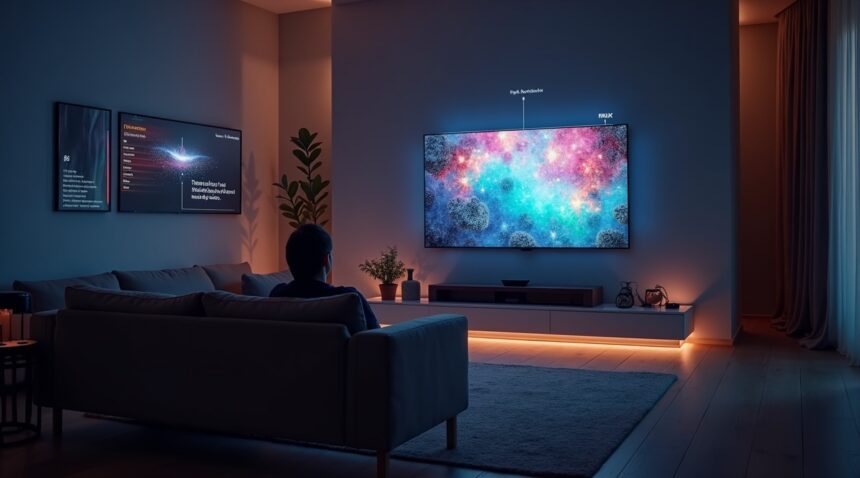
Recent research from the University of Cambridge and Meta Reality Labs reveals that the human eye is capable of perceiving far more visual detail than the conventional 20/20 vision standard implies.
Key Takeaways
- Human visual acuity: Eyes can perceive up to 94 pixels per degree (PPD) in greyscale, surpassing the conventional 60 PPD benchmark used for 20/20 vision assessments.
- Color perception variation: The ability to detect detail varies widely depending on the color. Red and green patterns are visible up to 89 PPD, whereas yellow and violet drop significantly to just 53 PPD.
- Resolution relevance at home: From standard living room distances of 8–12 feet, most viewers cannot distinguish the difference between 4K and 8K resolution, regardless of screen size.
- Population sensitivity to resolution: Only about 1% of people can visually discern differences between 1440p and higher resolutions from a typical viewing distance of a 50-inch screen.
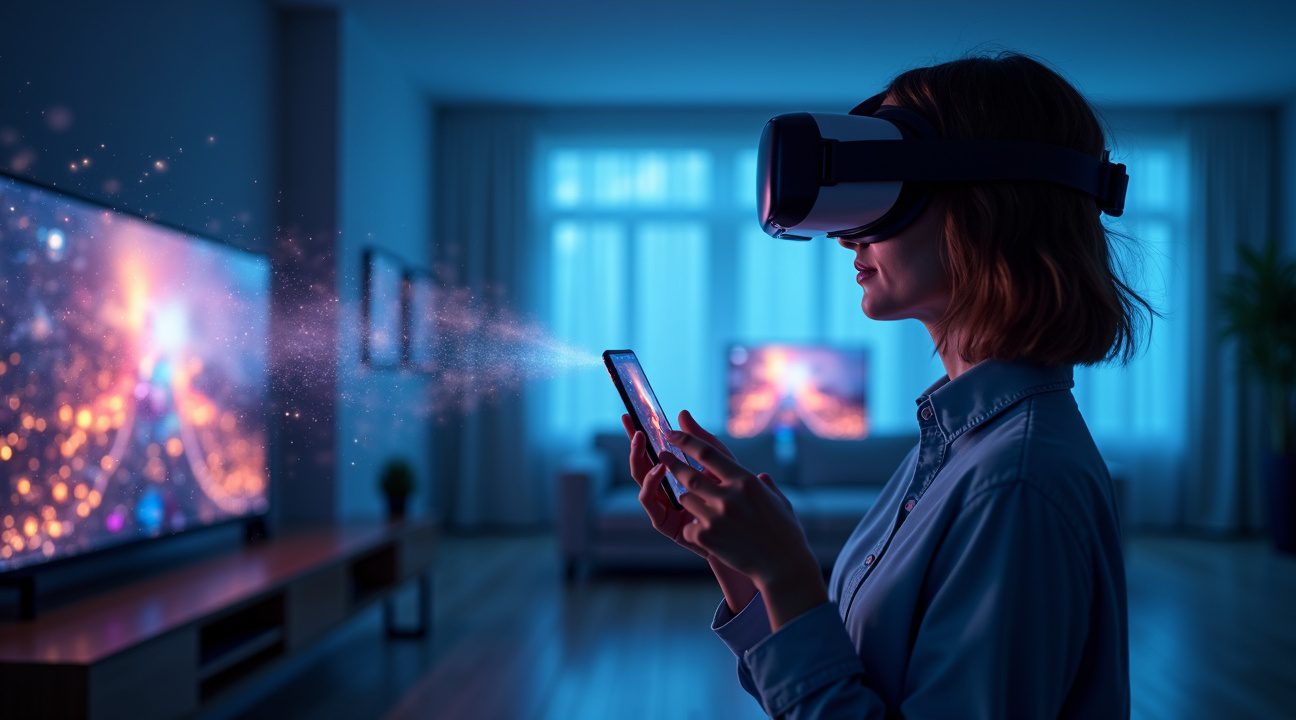
- Exceptions in display use: Devices like VR headsets and smartphones, which are held close to the eyes, benefit from higher resolution displays due to their proximity and need for greater visual detail.
For those interested in diving deeper into the details of this research, you can explore the original findings reported by the University of Cambridge.
Your 8K Display Might Be Wasted on Your Eyes – New Research Reveals the Surprising Truth
I’ve witnessed countless consumers investing thousands in 8K displays, believing they’ll experience dramatically sharper images. However, groundbreaking research from the University of Cambridge and Meta Reality Labs reveals that human eyes simply can’t utilize the full resolution potential of these premium displays under normal viewing conditions.
The Eye’s True Resolution Capabilities
The study challenges decades of accepted vision science by establishing new benchmarks for human visual acuity. Traditional measurements assumed our eyes could process approximately 60 pixels per degree (PPD), which aligned with standard 20/20 vision testing. Modern testing methods paint a different picture entirely.
Using advanced display technologies and precise sliding apparatus systems, researchers recreated authentic viewing scenarios that mirror how people actually consume visual content. Their findings reveal that human eyes can indeed perceive more detail than previously thought, but the improvement varies dramatically based on what we’re viewing.
For greyscale images viewed directly ahead, the average person can distinguish up to 94 PPD – a substantial improvement over the traditional 60 PPD standard. Color perception tells a more complex story, with red and green patterns registering at 89 PPD while yellow and violet patterns drop to just 53 PPD. These variations occur because different wavelengths of light activate photoreceptors in our retinas at varying efficiency levels.
What This Means for Your Display Investment
The resolution gap between what manufacturers offer and what eyes can actually perceive creates an interesting dilemma for consumers. At typical viewing distances, even the enhanced resolution limits discovered in this research fall short of fully utilizing 8K display capabilities.
Consider how this impacts your viewing experience: sitting three feet from a 65-inch 8K television delivers roughly 140 PPD to your eyes. While this exceeds the newly discovered limits for most color patterns, you’d need to sit uncomfortably close to perceive the difference between 8K and 4K content. Most people position themselves 8-12 feet from large displays, where the effective PPD drops well below even the enhanced thresholds.
This research connects to broader questions about perception and reality that scientists continue exploring, much like how researchers investigate brain phenomena or how scientists push boundaries in understanding biological limits.
The practical implications extend beyond television purchases:
- Smartphone displays often exceed 500 PPD, easily surpassing what the human eye can resolve at normal arm’s length usage.
- Computer monitors offer ultra-high resolutions unlikely to be fully appreciated unless viewed up close.
Professional applications tell a different story. Video editors, graphic designers, and medical professionals who work extremely close to displays can benefit from higher resolutions. However, for standard entertainment consumption, the Cambridge and Meta Reality Labs research suggests that 4K displays provide sufficient detail for human visual systems under normal conditions.
The study employed rigorous testing protocols that account for individual variations in visual acuity. Some participants demonstrated slightly higher resolution detection, while others fell below the averages. Age, eye health, and viewing conditions all influence these thresholds, creating a range rather than absolute limits.
Marketing departments continue promoting 8K as the next essential upgrade, but this research provides consumers with scientific evidence to make informed decisions. The difference between 4K and 8K content becomes imperceptible for most viewers at standard distances, regardless of display size.
Understanding these limits doesn’t diminish the impressive engineering behind high-resolution displays. Instead, it highlights how human biology shapes our interaction with technology and suggests that future innovations might focus on other aspects of visual experience rather than pure pixel count.
The Brain Sees Color Differently Than You Think – And It Changes Everything
I find it fascinating how our understanding of human vision has been fundamentally challenged by recent research. The study revealed a striking discrepancy between the brain’s ability to process color detail versus greyscale detail, particularly in peripheral vision. This discovery completely reshapes how I think about display technology and resolution requirements.
The research shows that while our eyes can detect incredibly fine details in greyscale images, the brain processes color patterns quite differently. This difference becomes most pronounced when looking at peripheral vision — the areas outside our direct focus. The implications are staggering for anyone investing in high-resolution displays or debating whether that expensive 8K television is worth the upgrade.
Real-World Resolution Limits in Your Living Room
The study’s most practical finding centers on viewing distance and screen size. When examining a 50-inch screen from 10 feet away — a common living room setup — the difference between a 1440p display and 8K resolution becomes virtually imperceptible. This challenges everything manufacturers have told consumers about the need for ultra-high resolution displays.
The research identified several key factors that determine what people actually see:
- Only about 1% of individuals can detect any difference between 1440p and a ‘perfect’ image at typical viewing distances
- Virtually no one can discern differences between 4K and 8K under normal conditions
- Color processing limitations make these resolution differences even less noticeable
- Peripheral vision plays a much smaller role in detail perception than previously thought
These findings suggest that for most people, upgrading beyond a 1080p display might not provide the visual benefits they expect. The brain simply can’t process the additional detail that higher resolutions provide, especially when viewing color content at standard distances.
This research challenges the long-accepted 60 pixels per degree (PPD) benchmark that has guided display technology for decades. The 60 PPD standard, based on the Snellen eye chart used in optometry offices, assumed that human vision could resolve detail at this level across all types of visual content. However, the study demonstrates that this benchmark doesn’t account for how differently our brains process color versus greyscale information.
The color processing limitation affects how I perceive sharpness and detail in everyday viewing scenarios. While greyscale images might show incredible detail under laboratory conditions, real-world content — with its complex color patterns and varying contrast levels — doesn’t benefit from the same level of resolution enhancement.
This discovery has profound implications for the display industry and consumers alike. Much like how scientists think they’ve discovered new aspects of human perception in other areas, this research reveals that our assumptions about vision were incomplete.
The peripheral vision findings particularly challenge conventional wisdom about immersive displays. Since peripheral vision contributes less to detail perception than previously believed, the push for wider viewing angles and edge-to-edge sharpness may be addressing a problem that doesn’t significantly impact the viewing experience.
For consumers, this research suggests a more practical approach to display selection. Rather than chasing the highest resolution numbers, factors like color accuracy, contrast ratio, and viewing distance become more critical for actual visual satisfaction. The brain’s color processing limitations mean that incremental resolution improvements beyond 1440p often go unnoticed in typical use cases.
These findings also explain why many people struggle to see dramatic improvements when upgrading from 1080p displays to 4K, especially at normal viewing distances. The brain’s reduced sensitivity to color detail, combined with the limitations of peripheral vision processing, creates a natural ceiling for perceived image quality that falls well below what current technology can produce.
Why Your Expensive 8K TV Is Probably Overkill for Your Living Room
I’ve examined the latest research on human vision, and the findings reveal something that might make you reconsider that premium 8K television purchase. Scientists have determined that the human eye’s resolution capabilities fall short of what 8K displays can deliver, particularly in typical home environments.
The Sweet Spot: 4K Hits the Limit
For nearly all home viewing situations, 4K resolution reaches or approaches the maximum detail that average human vision can distinguish. The study demonstrates that a 50-inch TV positioned 10 feet from viewers delivers optimal visual quality at 4K resolution. When researchers tested the same setup with 8K content, participants couldn’t detect any meaningful improvement in image clarity or detail.
This discovery aligns with what vision scientists have long understood about the eye’s physical limitations. The human retina contains approximately 120 million rod cells and 6 million cone cells, but the brain processes visual information in ways that create practical boundaries for perceivable detail. Distance plays a crucial role in this equation – the farther you sit from your screen, the less your eyes can distinguish between different pixel densities.
Most living rooms follow predictable viewing patterns. People typically position their couches and chairs between 8 to 12 feet from their televisions. At these distances, the angular resolution of human vision simply can’t differentiate between 4K and 8K pixels on screens smaller than 75 inches. Scientists think this limitation stems from the same neural processing mechanisms that govern other aspects of visual perception.
The Economic Reality of Ultra-High-Definition Technology
8K televisions command premium prices that reflect their advanced display technology, yet the research suggests these investments offer diminishing returns for home users. Current 8K displays cost significantly more than their 4K counterparts – often double or triple the price – while delivering benefits that most viewers can’t actually perceive in their living spaces.
The processing demands of 8K content create additional challenges. These displays require substantial bandwidth for streaming, powerful graphics cards for gaming, and specialized media players for optimal performance. Content creators face similar hurdles, as 8K video files consume enormous storage space and demand extensive processing power during production. NASA puts up trials for various advanced technologies, but even their massive screens benefit more from size than pixel density in most applications.
Current streaming services offer limited 8K content libraries. Netflix, Amazon Prime, and other platforms focus primarily on 4K content because it provides excellent quality while maintaining reasonable file sizes and streaming requirements. The infrastructure needed to support widespread 8K streaming remains years away from practical implementation.
Gaming enthusiasts often consider 8K displays for their setups, but modern graphics cards struggle to maintain acceptable frame rates at 8K resolution. Even the most powerful consumer GPUs deliver better gaming experiences at 4K with higher refresh rates and enhanced visual effects rather than pushing 8K resolution at reduced settings.
Professional applications represent the primary exception to this consumer reality. Video editors, graphic designers, and content creators working with 8K source material benefit from native resolution displays. However, these users typically work much closer to their screens than typical television viewers, changing the visual acuity calculations significantly.
The research reinforces what many display experts have suspected: resolution alone doesn’t determine viewing quality. Factors like color accuracy, contrast ratios, and refresh rates often provide more noticeable improvements than pixel density increases beyond 4K. Robot amazingly escapes scenarios in science fiction often feature impossibly detailed displays, but real human biology sets practical limits on what constitutes meaningful visual improvement.
Smart shoppers should prioritize 4K displays with:
- Superior color reproduction
- HDR (High Dynamic Range) support
- Appropriate screen sizes for their viewing environments
Rather than chasing 8K specifications that exceed human visual capabilities, investing in these features will improve your viewing experience more noticeably and economically.
The Simple Calculator That Tells You Exactly What Resolution You Actually Need
I can now recommend a practical tool that cuts through the marketing hype around ultra-high resolutions. Researchers have developed an online calculator that determines the optimal display resolution based on two simple factors: screen size and viewing distance.
This calculator eliminates guesswork by providing specific recommendations for different setups. For monitors between 24-27 inches viewed from 2.5 to 3 feet away, the tool confirms that 1080p resolution delivers all the detail your eyes can actually process. Moving up to monitors in the 27-36 inch range, 1440p becomes the sweet spot for optimal visual clarity.
Screen Size Guidelines That Actually Matter
The calculator reveals some surprising insights about when higher resolutions provide genuine benefits. Displays larger than 36 inches benefit from 4K resolution, but only when viewed at typical desktop distances. Beyond this point, the human eye’s limitations become the determining factor rather than the display’s technical capabilities.
Distance plays a crucial role that many people overlook when selecting displays. The ability to distinguish resolution detail decreases significantly as viewing distance increases, which explains why massive 8K televisions don’t always look dramatically better than 4K models in real-world living room setups.
Why This Calculator Changes Everything
This tool provides both consumers and manufacturers with data-driven recommendations that challenge common assumptions about resolution needs. A 65-inch 8K television might seem impressive on paper, but if viewed from 10 feet away, most viewers won’t perceive any advantage over a quality 4K display.
The calculator also helps explain why certain professional setups require specific resolutions:
- Video editors working inches away from large monitors benefit from 4K displays.
- Casual users watching content from across the room might find similar research findings suggest their money is better spent on other display qualities like color accuracy or refresh rate.
I find this approach refreshing because it focuses on practical benefits rather than theoretical maximums. The calculator accounts for real viewing conditions rather than laboratory test scenarios, helping people make informed decisions about display purchases. Whether choosing a monitor for work, gaming, or entertainment, this tool provides clear guidance based on actual visual perception rather than marketing specifications.
https://www.sven.de/dpi/
Where Higher Resolution Still Matters – VR and Close-Up Displays
Although the research reveals that 8K displays offer minimal benefits for standard television viewing, certain specialized applications buck this trend. Mobile devices and virtual reality headsets present unique scenarios where ultra-high resolutions can deliver genuinely noticeable improvements in visual clarity.
VR Headsets and Proximity Effects
Virtual reality technology fundamentally changes how users interact with displays by positioning screens mere inches from the eyes. This proximity amplifies the eye’s ability to detect individual pixels, making higher resolutions significantly more valuable than in traditional viewing situations. VR manufacturers continue pushing pixel density boundaries because users can actually perceive the difference when displays sit so close to their retinas.
The research indicates that while resolution increases yield diminishing returns for most conventional viewing scenarios, VR applications represent a clear exception. Users often report improved immersion and reduced screen-door effects when experiencing content through higher-resolution headsets. This proximity factor essentially resets the resolution threshold, making what seemed unnecessary for living room displays suddenly practical and beneficial.
Mobile Device Considerations
Smartphones and tablets occupy a similar category, though less dramatically than VR. Users typically hold these devices between 12–24 inches from their faces, closer than most television viewing distances. This positioning allows for greater detail perception, though the benefits remain more subtle than in VR applications.
The following factors make higher resolutions more relevant for close-up displays:
- Screen proximity reduces the viewing distance threshold where additional pixels become imperceptible
- Small text and interface elements benefit from increased pixel density for improved readability
- Photo and video editing applications can leverage extra detail when users examine content closely
- Gaming experiences may show enhanced visual fidelity during detailed gameplay moments
Mobile manufacturers have recognized these advantages, which explains the continued push for 4K and beyond in premium smartphone displays. While critics might argue these resolutions exceed practical needs, researchers find that user perception studies often reveal subtle but measurable improvements in certain tasks.
The key distinction lies in understanding that resolution requirements aren’t universal. Standard television viewing may hit practical limits well before 8K becomes meaningful, but specialized applications like VR continue benefiting from every additional pixel. This creates a tiered approach to display technology, where different use cases demand different resolution strategies based on viewing distance and application type.
How This Research Changes What We Know About Human Vision
The recent findings fundamentally disrupt our long-held assumptions about human visual capabilities, particularly challenging the 20/20 vision standard that has served as the benchmark for normal eyesight for over a century. This standard, which corresponds to 60 pixels per degree (PPD) based on the Snellen chart, appears to significantly underestimate what the human eye can actually perceive.
Beyond the Traditional 20/20 Standard
The research reveals that human vision operates at a much higher resolution than the Snellen chart suggests. While 20/20 vision has been considered the gold standard for normal eyesight, the new data demonstrates that eyes can distinguish details far beyond this threshold, especially when viewing greyscale images. This discovery means that millions of people who test as having “perfect” 20/20 vision actually possess visual systems capable of processing much finer detail than previously recognized.
The implications extend far beyond medical examinations. Eye care professionals may need to reconsider how they evaluate visual acuity, potentially developing new testing methods that better reflect the eye’s true capabilities. This shift could lead to more precise diagnoses and treatment plans for various vision conditions.
Real-World Limitations vs. Theoretical Potential
Despite the eye’s impressive theoretical resolution capabilities, practical constraints prevent most people from experiencing this enhanced visual detail in everyday situations. Display size and viewing distance create significant barriers to achieving optimal visual performance. A person sitting at a typical distance from a computer monitor or television screen can’t fully utilize their eye’s maximum resolution potential because the display technology and physical setup don’t support such fine detail perception.
Consider how researchers find new discoveries in unexpected places – the same principle applies to vision research, where scientists continue uncovering surprising capabilities of human sensory systems. The gap between what our eyes can theoretically see and what display technology delivers creates an interesting challenge for engineers and designers.
Current display technologies face fundamental limitations in delivering content that matches the eye’s true resolution capabilities. Screen manufacturers have pushed pixel density higher with each generation, yet even the most advanced displays fall short of fully engaging the human visual system’s potential. This mismatch suggests that future display innovations must consider not just pixel count, but also factors like viewing distance, screen size, and content optimization.
The research carries profound implications for display technology development, particularly regarding ultra-high-definition formats like 8K. While 8K displays offer four times the resolution of 4K screens, the findings suggest that even this impressive pixel density may not fully capture what human eyes can perceive under optimal conditions. This doesn’t diminish 8K’s value, but it reframes how we should evaluate its benefits.
Display manufacturers now face the challenge of creating technologies that can actually deliver content matching human visual capabilities. This might involve developing new screen technologies, optimizing viewing conditions, or creating content specifically designed to leverage the eye’s enhanced resolution potential.
The research also highlights the importance of understanding how different types of visual content affect perception. Greyscale images, for instance, allow for much finer detail recognition than color images, suggesting that display optimization strategies might need to vary based on content type.
These insights force us to reconsider assumptions about visual quality standards across industries. Photography, cinematography, and digital art creation may all benefit from understanding the true limits of human perception, potentially leading to new techniques and technologies that better match what our eyes can actually see.
As scientists think about perception in new ways, this vision research opens doors to innovations we haven’t yet imagined, challenging us to rethink the relationship between human capability and technological achievement.

Sources:
News-Medical: “Understanding the human eye’s resolution limit and its effect on viewing experience”
University of Cambridge: “Is your ultra-HD TV worth it? Scientists measure the resolution limit of the human eye”
Tom’s Hardware: “Scientists claim you can’t see the difference between 1440p and 8K at 10 feet in new study on the limits of the human eye”
ScienceAlert: “The Eye’s Maximum Resolution Is Even Higher Than We Thought”
Nature: “Resolution limit of the eye — how many pixels can we see?”
Photonics.com: “Display Resolution Reaches Limit of Human Perception”