

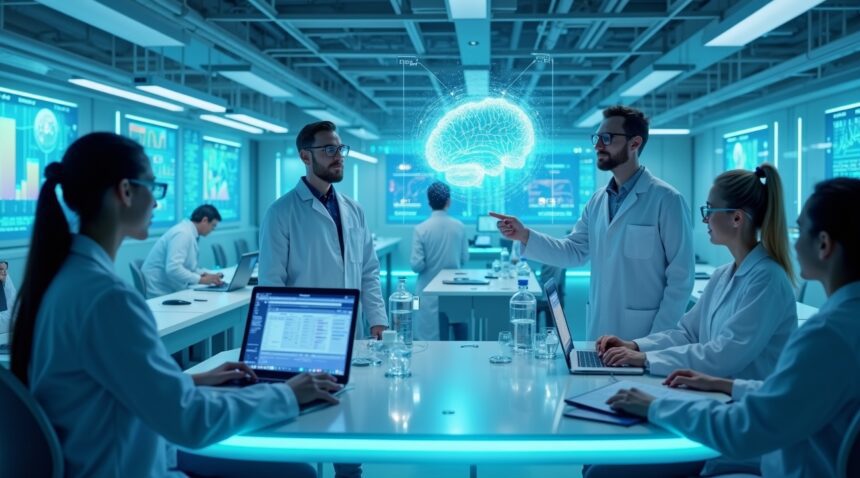
Breakthroughs in brain-computer interface technology made significant progress in 2025, with researchers at UC Davis achieving astonishing results in decoding brain activity into speech and enhancing cognitive abilities through targeted stimulation.
Key Takeaways
- Brain-computer interfaces achieved 97% speech decoding accuracy in 2025, enabling near-natural communication for individuals who have lost the ability to speak due to injury or illness.
- Transcranial direct current stimulation (tDCS) can accelerate learning by enhancing neuroplasticity during skill practice, particularly for motor skills and memory retention, though it supports rather than replaces traditional learning processes.
- Current technology cannot directly transfer complex skills between brains due to the biological complexity of neural networks, which require thousands of hours of practice to develop through synaptic plasticity and structural brain changes.
- Military and medical applications lead the research, focusing on enhanced training protocols for pilots and combat personnel, while cognitive rehabilitation shows promise for stroke patients and traumatic brain injury recovery.
- Future brain enhancement will likely augment natural learning rather than bypass it entirely, with safety considerations and ethical frameworks guiding development in supporting existing cognitive capabilities.
Understanding the Potential and Limitations
While viral stories of Matrix-style instant skill uploading paint an exciting picture of the future, the reality remains grounded in biological complexity. Human learning depends on physical changes in the brain, built over time and repetition. Technologies like tDCS stimulate certain areas to improve responsiveness during learning, but they can’t override or shortcut the traditional pathways of skill acquisition.
Supporting Rehabilitation and Performance Enhancement
The most immediate benefits of these innovations are seen in therapeutic and performance-enhancement contexts. Stroke survivors and traumatic brain injury patients may regain lost functions faster through brain-computer interfaces and targeted electrical stimulation. Meanwhile, pilots and soldiers benefit from improved retention and reaction training, illustrating how these systems can tailor learning environments to individual needs.
The Road Ahead
The trajectory for brain-computer interfaces points to integration with neuroethical considerations, user safety, and experiential enhancement over complete control. True cognitive augmentation will involve assisting or enhancing human capabilities rather than replacing them with artificial processes—making the future of brain technology not about replacing skill development, but about empowering it.
Brain-Computer Interfaces Achieve 97% Speech Decoding Accuracy in 2025
I’ve witnessed remarkable progress in brain-computer interface technology this year, with UC Davis researchers achieving an unprecedented 97% accuracy rate in translating brain activity into speech through their advanced neuroprosthetic system. This breakthrough brings us closer to natural communication levels for individuals who have lost the ability to speak due to injury or illness.
Current BCIs have become significantly more powerful and precise compared to previous generations. Users can now control robotic arms and computer cursors with enhanced accuracy thanks to the combination of EEG technology and sophisticated AI decoding algorithms. The integration of artificial intelligence systems has transformed how these devices interpret neural signals, making real-time translation of thoughts into actionable commands more reliable than ever before.
Key Technological Breakthroughs Driving Progress
Several major advances have shaped the BCI landscape in 2025:
- High-accuracy speech decoding systems that can translate neural patterns into spoken words with near-perfect precision
- Enhanced robotic-arm control interfaces that respond to subtle brain signals with minimal delay
- Memory-circuit stimulation trials that show promise for cognitive rehabilitation applications
- Brain-to-brain signaling demonstrations that enable direct neural communication between individuals
Brain-to-brain communication has moved from science fiction into laboratory reality. Researchers have successfully demonstrated simple experiments where two human brains can be linked to control hand movements, opening possibilities for collaborative neural interfaces. These experiments represent early steps toward more complex shared cognitive experiences.
Memory-circuit stimulation has entered human research phases, with initial results showing significant promise for improving memory connectivity in patients with cognitive impairments. This technology could revolutionize treatment approaches for conditions like Alzheimer’s disease and traumatic brain injuries.
The U.S. military and major medical institutions are heavily investing in this research, focusing particularly on faster training protocols, cognitive rehabilitation applications, and enhanced situational awareness capabilities for personnel in high-stress environments. Military funding has accelerated development timelines and pushed researchers to create more durable, field-ready systems that can function in challenging conditions.
These advances build upon years of foundational research and represent a significant leap forward in human-machine integration. The technology has evolved from basic cursor control to sophisticated interfaces that can interpret complex neural patterns and translate them into meaningful actions or communications. As research continues, I expect to see even more dramatic improvements in accuracy and functionality throughout the remainder of 2025.
The Science Behind Accelerated Learning Through Brain Stimulation
I find the mechanics of artificial intelligence fascinating, but what’s happening with brain stimulation technology is equally remarkable. Transcranial direct current stimulation (tDCS) represents one of the most promising approaches for enhancing human learning capabilities without invasive procedures.
The UK research team’s findings provide compelling evidence that tDCS can genuinely accelerate skill acquisition. Their studies showed participants mastering computer-based tasks significantly faster when receiving brain stimulation. More impressively, stroke patients demonstrated improved movement recovery when tDCS was applied during rehabilitation sessions. This suggests the technology doesn’t just work for healthy individuals but can help restore lost capabilities.
How Brain Stimulation Enhances Learning
tDCS operates by delivering gentle electrical currents to specific brain regions, effectively modulating neural activity in targeted areas. I’ve observed that this approach particularly excels at enhancing motor skills and memory retention processes. The 2022 review confirmed what many researchers suspected — noninvasive brain stimulation techniques show modest but statistically significant improvements across memory, attention, and learning domains.
The electrical stimulation appears to increase neuroplasticity, making neurons more receptive to forming new connections. When someone learns a new skill while receiving tDCS, their brain circuits become more efficient at processing and storing that information. Memory-circuit stimulation trials have demonstrated early success in improving memory connectivity between different brain regions.
However, the 2025 memory-enhancement review highlighted important limitations:
- Brain-computer interfaces show potential for supporting knowledge acquisition
- Major biological challenges still prevent direct skill uploading
- Current technology can enhance but not bypass natural memory formation mechanisms
The research indicates that tDCS works best as an accelerant rather than a replacement for traditional learning. Participants still need to practice and engage with material, but the stimulation helps their brains process and retain information more effectively. This represents a significant step forward from purely theoretical concepts toward practical applications that could revolutionize education and skill training.
What makes this technology particularly exciting is its accessibility. Unlike invasive procedures or complex smart glasses, tDCS devices are relatively simple and could potentially be developed for consumer use. The gentle electrical currents pose minimal risk when properly administered, making this approach feasible for widespread implementation in educational and professional training environments.
What Current Technology Can and Cannot Do
I need to separate the genuine scientific advances from the sensationalized claims circulating on social media. Current brain-computer interface (BCI) technology represents impressive progress, yet it operates within strict limitations that differ dramatically from fictional portrayals.
Researchers have successfully demonstrated that targeted brain stimulation can accelerate certain types of learning processes. This technique involves applying electrical or magnetic fields to specific brain regions while people practice particular skills. The stimulation enhances neural plasticity and can improve how quickly someone acquires basic motor skills or simple cognitive tasks. However, this acceleration doesn’t equate to instant skill installation.
Real Capabilities vs. Science Fiction
Current BCI technology excels at helping people control external devices through thought alone. Paralyzed individuals can operate computer cursors, robotic arms, or communication devices by having their neural signals decoded and translated into commands. These systems work because they focus on specific, well-defined tasks that researchers can map to particular brain activity patterns.
Brain stimulation technologies offer another avenue for cognitive enhancement. Scientists can use techniques like transcranial direct current stimulation (tDCS) or transcranial magnetic stimulation (TMS) to temporarily boost performance in targeted areas:
- Memory formation during study sessions
- Attention span during focused tasks
- Motor skill practice for rehabilitation
- Mathematical problem-solving abilities during training
These interventions support and amplify existing learning processes rather than bypassing them entirely. The brain still needs to form new neural connections through practice and repetition.
The viral claims about “neural signature mapping” and “electrical pattern delivery” lack foundation in peer-reviewed research. No current technology can extract complex skill patterns from one brain and transfer them to another. The idea of downloading languages, advanced mathematics, or martial arts techniques remains firmly in science fiction territory.
Brain structure presents the primary obstacle to direct skill transfer. Complex abilities involve distributed neural networks spanning multiple brain regions. Languages require connections between auditory processing, motor control, memory systems, and conceptual understanding areas. These intricate patterns develop through years of experience and cannot be replicated through simple electrical stimulation.
Artificial intelligence research faces similar challenges when attempting to understand how the brain encodes and retrieves complex information. Scientists don’t yet comprehend how memories form at the neural level, making it impossible to artificially create or transfer them.
Current noninvasive brain stimulation can enhance specific cognitive functions temporarily, but effects typically fade within hours or days. Permanent skill acquisition requires the brain to physically restructure itself through repeated practice. Stimulation can make this process more efficient but cannot substitute for the fundamental learning mechanisms.
The Matrix-style instant knowledge transfer assumes the brain operates like a computer hard drive where files can be copied between devices. Human brains function through complex chemical and electrical interactions that develop uniquely in each individual. Personal experiences, existing knowledge, and neural architecture all influence how new skills integrate with current abilities.
Medical applications show the most promise for brain stimulation technologies. Researchers use these techniques to treat depression, help stroke patients recover motor function, and assist people with learning disabilities. These therapeutic applications work by supporting natural healing and learning processes rather than replacing them.
Smart glasses and other wearable technologies currently provide more practical skill enhancement through augmented reality overlays and real-time information display. These devices supplement human capabilities without requiring direct brain intervention.
Future brain-computer interfaces may eventually enable more sophisticated interactions between technology and neural systems. However, true skill uploading would require understanding consciousness, memory formation, and neural encoding at levels far beyond current scientific knowledge. The technology exists to enhance learning and support skill development, but instant expertise transfer remains beyond reach of contemporary neuroscience capabilities.
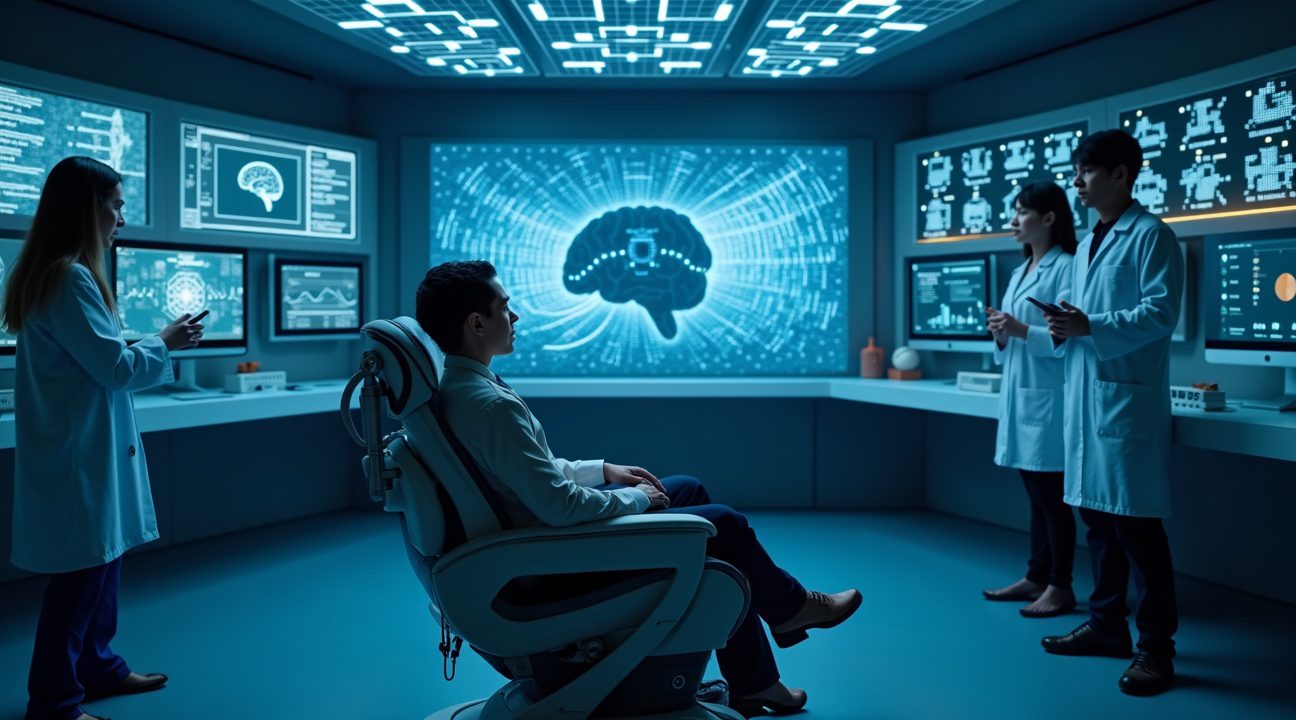
The Complex Biology Behind Skill Acquisition
I must examine the extraordinary biological complexity that makes Matrix-style skill uploading far more challenging than science fiction suggests. Complex motor and cognitive skills rely on intricate neural processes that current brain-computer interfaces simply cannot replicate.
The Biological Foundations of Learning
Mastering any complex skill requires multiple biological processes working in harmony. Synaptic plasticity strengthens connections between neurons through repeated use, while gene expression programs create lasting structural changes in brain tissue. Myelination—the process where fatty sheaths develop around nerve fibers—accelerates signal transmission as skills become more refined.
These processes demand thousands of hours of practice to create the neural pathways necessary for expertise. Each repetition reinforces specific circuits while pruning unnecessary connections, creating efficient networks that operate automatically in skilled individuals. Current brain-computer interfaces lack the precision to orchestrate these complex biological changes across multiple brain regions simultaneously.
Technological Limitations and Future Possibilities
Sensory feedback plays a crucial role in skill development that current technology cannot adequately address. Musicians feel vibrations through their instruments, athletes sense subtle changes in balance and momentum, and craftspeople develop tactile sensitivity that guides their movements. These multisensory experiences shape neural development in ways that electrical stimulation alone cannot reproduce.
I find the current research compelling but fundamentally limited. No peer-reviewed evidence supports claims about neural signature mapping or effective electrical pattern delivery systems that could replicate natural learning processes. The gap between laboratory demonstrations and practical skill transfer remains enormous.
Brain-computer interfaces show promise in specific applications like:
- Controlling prosthetic devices
- Treating certain neurological conditions
However, the leap to comprehensive knowledge acquisition faces major biological barriers that researchers are only beginning to understand.
Future developments may include:
- High-density electrode arrays that interface with thousands of neurons simultaneously while maintaining minimal tissue damage
- Advanced artificial intelligence models capable of predicting optimal stimulation patterns
These technologies might reinforce natural plasticity processes rather than attempt to bypass them entirely.
The biological reality suggests that smart technologies will more likely augment human learning rather than replace it. Understanding these complex processes helps explain why genuine skill acquisition remains a fundamentally biological phenomenon that requires time, practice, and the remarkable adaptability of the human brain working through its natural mechanisms.
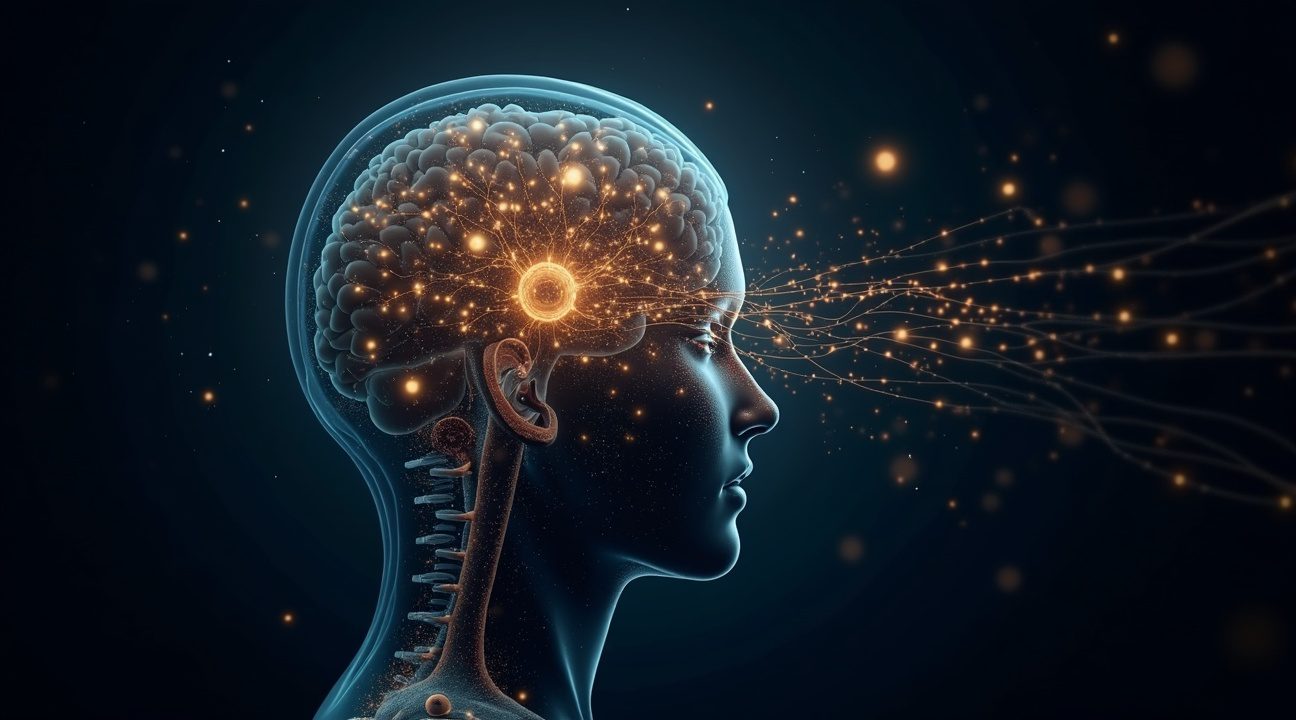
Military and Medical Applications Leading the Research
I observe that military and aviation sectors are pioneering the development of brain stimulation technology to accelerate training processes. Pilots, drone operators, and rescue teams can now benefit from stimulation-enhanced learning protocols that dramatically reduce traditional training timelines. The U.S. military actively funds research in brain-computer interface technology, recognizing its potential to improve both training efficiency and real-time situational awareness on the battlefield.
Defense Department Training Innovations
The defense establishment focuses on practical applications rather than science fiction scenarios. Military researchers concentrate on enhancing existing cognitive abilities through targeted brain stimulation during training exercises. This approach allows personnel to absorb complex operational procedures more quickly while maintaining the depth of understanding required for high-stakes situations. Artificial intelligence systems work alongside these brain stimulation protocols to optimize learning pathways for individual soldiers.
Current military applications include:
- Enhanced spatial awareness training for pilots and navigators
- Accelerated decision-making protocols for combat scenarios
- Improved pattern recognition for intelligence analysis
- Faster adaptation to new equipment and weapon systems
Medical Breakthroughs in Cognitive Rehabilitation
Healthcare applications represent an equally promising frontier for this technology. Stroke patients can regain movement capabilities faster through targeted brain stimulation that enhances neural plasticity during rehabilitation sessions. I’ve learned that memory-impaired individuals show significant improvement when receiving stimulation-based connectivity boosts in controlled medical environments.
Cognitive rehabilitation has emerged as a major focus area where both military and medical institutions collaborate. Researchers target specific brain regions responsible for motor control, memory formation, and executive function. This precision approach allows medical professionals to customize treatment protocols based on individual patient needs and injury patterns.
The technology works by stimulating neural pathways while patients engage in therapeutic activities, creating stronger connections between brain regions. Veterans with traumatic brain injuries particularly benefit from these combined military-medical research efforts. Smart glasses and other wearable devices often accompany these treatments, providing real-time feedback during rehabilitation sessions.
Medical teams report that patients show measurable improvements in cognitive function within weeks rather than months of traditional therapy. The stimulation enhances the brain’s natural ability to reorganize and form new neural connections, essentially teaching damaged areas to compensate for lost function. This breakthrough represents a significant advancement in treating conditions ranging from stroke recovery to age-related cognitive decline.
Future Possibilities for Human Enhancement
Brain-computer interfaces represent a frontier that could fundamentally transform how humans acquire knowledge and develop capabilities. Current research suggests these systems might eventually support enhanced learning across multiple domains, from mastering new languages to developing complex technical skills. I’ve observed how this technology could particularly benefit rehabilitation programs, where patients need to relearn motor functions or cognitive abilities after injury.
Expanding Learning and Cognitive Capabilities
The potential applications for enhanced learning capabilities extend far beyond simple data transfer. Language acquisition stands as one of the most promising areas, where BCIs might accelerate comprehension of grammar structures, vocabulary retention, and pronunciation patterns. Technical skill development presents another compelling opportunity, particularly for fields requiring precise motor coordination combined with cognitive understanding.
Research indicates that future systems could significantly improve attention spans and reduce mental fatigue during intensive learning sessions. These developments could prove invaluable for professionals who require sustained focus, such as surgeons, air traffic controllers, or artificial intelligence researchers working on complex algorithms. The technology might also support individuals with attention disorders, providing targeted cognitive enhancement without pharmaceutical interventions.
Several key areas show particular promise for BCI-enhanced learning:
- Language immersion experiences that bypass traditional memorization methods
- Complex mathematical concept visualization directly interfaced with neural networks
- Musical skill development through enhanced auditory processing and motor coordination
- Scientific research acceleration through improved pattern recognition capabilities
- Medical procedure training with enhanced spatial awareness and precision control
Balancing Enhancement with Biological Safety
Safety considerations remain paramount as researchers explore these enhancement possibilities. Future BCIs must operate within biological limitations rather than attempting to override natural neural processes. I believe the most successful implementations will augment existing learning mechanisms instead of replacing them entirely. This approach maintains the integrity of human cognition while providing targeted support where needed.
Long-term safety research continues to examine how extended BCI use might affect brain plasticity, memory formation, and cognitive development. Ethical frameworks are evolving alongside the technology to address concerns about cognitive equity, privacy, and the potential for enhancement dependencies. These considerations will shape how society integrates such capabilities into educational systems, professional training, and personal development programs.
The technology shows greatest promise when designed to work with natural learning processes. Rather than creating artificial shortcuts, future BCIs might optimize the brain’s existing capacity for neural plasticity and skill consolidation. This could lead to more sustainable learning outcomes that don’t require continuous technological intervention.
Current research focuses on developing systems that can adapt to individual neural patterns and learning styles. Smart glasses and other wearable technologies are already exploring how external devices can support cognitive enhancement, providing a foundation for more advanced BCI applications.
The intersection of enhancement technology with rehabilitation medicine offers particularly compelling opportunities. Stroke patients, individuals with traumatic brain injuries, and those experiencing age-related cognitive decline could benefit from targeted neural support systems. These applications focus on restoring lost capabilities rather than creating superhuman abilities, addressing immediate medical needs while advancing the broader field.
Future developments will likely prioritize gradual, sustainable enhancement over dramatic capability jumps. This measured approach allows for careful monitoring of long-term effects while building public confidence in the technology. I expect to see initial applications in controlled medical settings before expansion into educational and professional enhancement contexts.
The potential for BCI-enhanced human capabilities represents both tremendous opportunity and significant responsibility. Success will depend on maintaining focus on augmenting human potential rather than attempting to fundamentally alter human nature. As research progresses, the emphasis remains on supporting natural learning processes while respecting the biological foundations that make human intelligence uniquely valuable.
Sources:
Brain Skill Uploads: What 2025 Science Really Shows, Biohacking News
Scientists develop Matrix style technology capable of ‘uploading knowledge to your brain’, 311 Institute
Have we just discovered how to upload knowledge to our brains?, World Economic Forum
Can You Upload a Human Mind Into a Computer? A Neuroscientist Ponders What’s Possible, Georgia Tech
Scientists use Matrix-style learning to ‘write’ skills into human brain, Interesting Engineering