

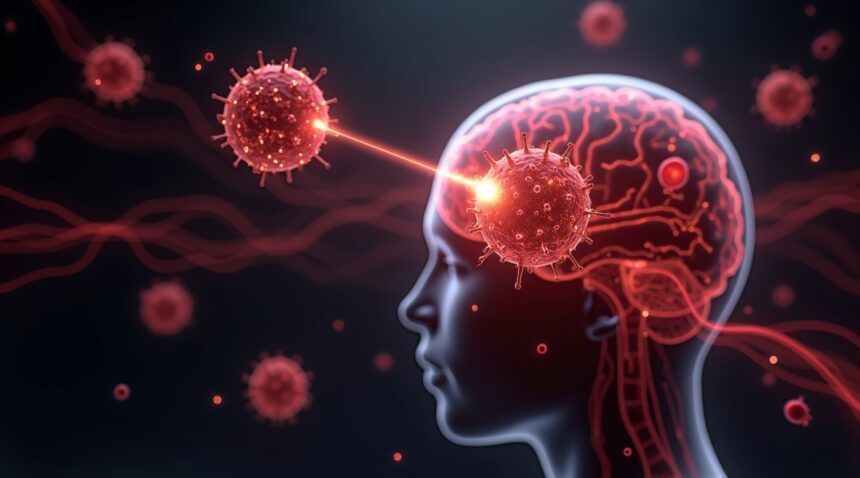
MIT researchers have made a revolutionary advancement in neuroscience with the development of microscopic wireless brain chips, known as “circulatronics”, which can be injected through the bloodstream to self-implant in specific brain regions.
- Key Takeaways
- Revolutionary Microscopic Devices Navigate Bloodstream to Reach Brain Targets
- Cell-Electronics Hybrids Use Nobel Prize-Winning Chemistry to Cross Blood-Brain Barrier
- Animal Studies Show 14,000 Implants Successfully Target Brain Tissue Within 72 Hours
- Platform Technology Targets Brain Tumors, Alzheimer’s, Multiple Sclerosis and Depression
- Injectable Approach Offers Alternative to Surgical Brain Implants Like Neuralink
- Three-Year Path to Clinical Trials Through MIT Spinoff Cahira Technologies
Key Takeaways
- Injectable delivery system: These brain chips eliminate the need for invasive surgery, replacing it with a simple injection procedure. This innovation could reduce the cost of neural interfaces significantly, compared to traditional implants that often require hundreds of thousands of dollars.
- Immune cell transportation: The technology utilizes monocytes—natural immune cells—as biological carriers. Through the use of Nobel Prize-winning click chemistry, these immune cells are able to carry electronic devices across the blood-brain barrier, an area typically impermeable to foreign substances.
- Wireless functionality: These implants can be remotely activated and controlled using near-infrared light, which effectively penetrates skull tissue. This allows for precise electrical stimulation without the need for physical wiring or frequent battery replacements.
- Platform technology applications: This breakthrough approach opens doors to treating a variety of neurological conditions. Potential applications include targeting glioblastoma and other aggressive brain cancers, Alzheimer’s disease, multiple sclerosis, depression, and chronic pain. Therapies can be directed to specific brain areas with high precision.
- Three-year clinical timeline: The MIT spinoff Cahira Technologies is spearheading efforts to commercialize circulatronics. With a projected timeline of three years, they aim to introduce implants that provide real-time sensing, feedback, and programmable degradation for temporary treatment purposes.
This transformative work in neural interfaces not only offers hope for treating debilitating brain conditions but also paves the way for a new era in precision medicine through the integration of biology and electronics.
Revolutionary Microscopic Devices Navigate Bloodstream to Reach Brain Targets
MIT researchers have achieved a remarkable breakthrough in neurotechnology by developing microscopic wireless electronic devices called “circulatronics” that can travel directly through the bloodstream to reach specific brain regions. These revolutionary chips represent a fundamental shift in how doctors might approach brain monitoring and treatment, eliminating the invasive surgical procedures traditionally required for brain implants.
Each device measures approximately one-billionth the length of a grain of rice, making them virtually invisible to the naked eye yet sophisticated enough to function as complete electronic systems. The artificial intelligence applications for such precise targeting could transform neurological treatments in unprecedented ways.
The engineering behind these devices is particularly impressive. Each circulatronic consists of organic semiconducting polymer layers sandwiched between metallic layers, creating what researchers call an electronic heterostructure. This design allows the devices to maintain their electronic functionality while remaining biocompatible and small enough to travel freely through blood vessels.
Manufacturing and Development Process
MIT’s fabrication process takes place in their nano facilities using CMOS-compatible manufacturing techniques. This approach ensures the devices can be produced using existing semiconductor manufacturing infrastructure, potentially making them more cost-effective to scale for widespread medical use. The development represents over six years of dedicated research, with the findings published in Nature Biotechnology.
Deblina Sarkar, AT&T Career Development Associate Professor at MIT Media Lab, has been a key figure in this groundbreaking research. The precision achieved by these devices is remarkable – they can target areas within several microns of their intended destination. This level of accuracy opens possibilities for treating conditions that require highly localized brain interventions.
The technology offers significant economic advantages beyond its medical benefits. Traditional brain implant procedures can cost hundreds of thousands of dollars due to the complex surgical requirements, extended hospital stays, and specialized medical teams needed. These injectable devices could dramatically reduce those costs by eliminating the need for invasive brain surgery entirely.
Once injected into the bloodstream, the devices demonstrate an impressive ability to self-implant in target brain regions. This autonomous functionality removes much of the guesswork and risk associated with traditional brain implant placement. The wireless nature of these devices means they can communicate data without requiring physical connections or additional surgical procedures for data retrieval.
The implications for neurological research and treatment are substantial. These devices could enable continuous monitoring of brain activity in ways that were previously impossible without major surgical interventions. They might allow researchers to study brain function in real-time, potentially leading to better understanding of neurological conditions like epilepsy, depression, or neurodegenerative diseases.
The biocompatible design ensures the devices won’t trigger harmful immune responses once they reach their destination. This consideration is crucial for long-term implantation, as traditional brain implants often face challenges with scar tissue formation and immune system rejection.
Manufacturing scalability appears promising given the use of established CMOS processes. This compatibility with existing semiconductor fabrication methods suggests these devices could transition from laboratory prototypes to mass-produced medical devices more readily than technologies requiring entirely new manufacturing approaches.
The precision targeting capability could revolutionize treatment approaches for conditions affecting specific brain regions. Rather than using systemic medications that affect the entire body, doctors might eventually deliver highly targeted treatments directly to affected brain areas using these microscopic devices.
This breakthrough builds on years of research into miniaturized electronics and biomedical applications. The successful development of these injectable brain chips represents a convergence of multiple technological advances, from improved semiconductor materials to better understanding of biocompatibility requirements.
Cell-Electronics Hybrids Use Nobel Prize-Winning Chemistry to Cross Blood-Brain Barrier
The revolutionary approach leverages immune cells as biological vehicles to smuggle electronic devices past the brain’s natural defenses. I find this strategy particularly elegant because it transforms the body’s own immune system into a delivery mechanism rather than fighting against it.
Chemical Bonding Creates Living Electronics
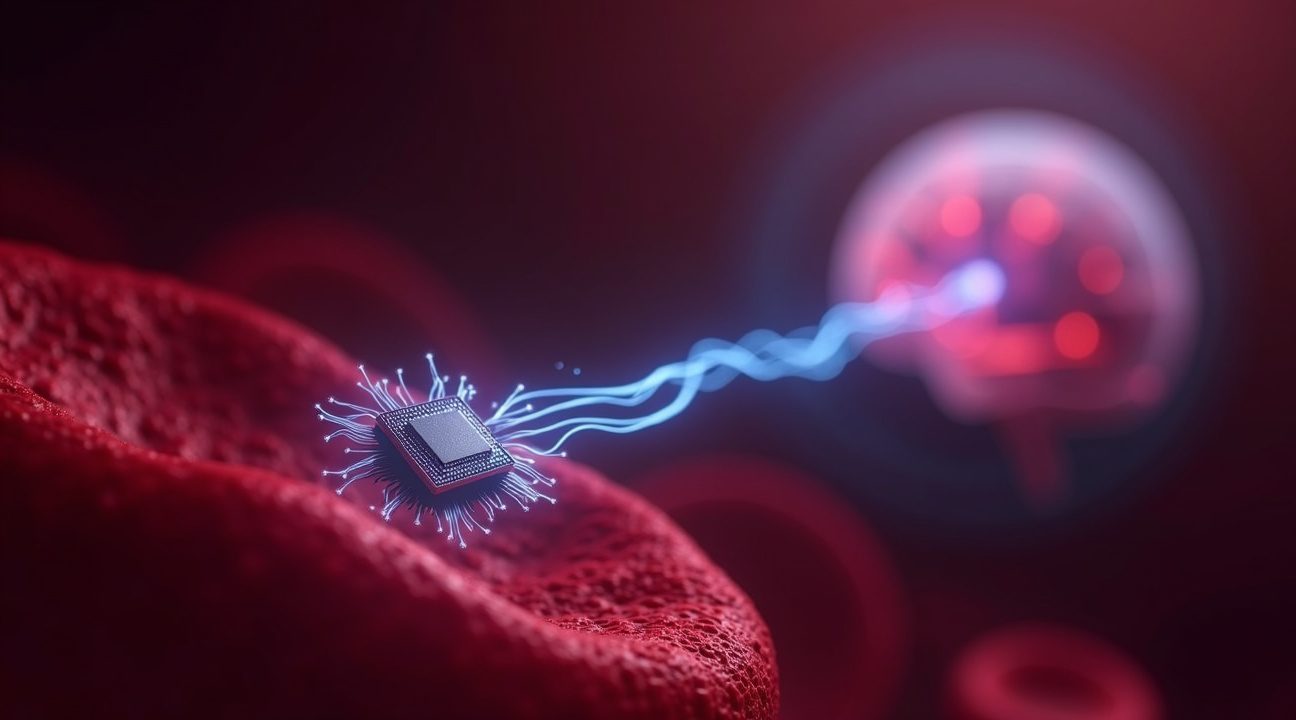
Click chemistry technology forms the foundation of this cellular integration process. This Nobel Prize-winning technique creates bonds between electronic devices and living monocytes using mechanisms that function like chemical “Velcro.” The process allows researchers to attach sophisticated electronics to immune cells without damaging either component.
Monocytes serve as ideal carriers because they naturally target areas of inflammation throughout the body. These immune cells possess an inherent ability to navigate through biological barriers and locate specific sites where intervention might be needed. By hitchhiking on these cellular vehicles, electronic devices gain biological guidance that would be impossible to replicate with synthetic materials alone.
The blood-brain barrier presents one of medicine’s most challenging obstacles, preventing most therapeutic agents from reaching brain tissue. This protective mechanism normally blocks foreign materials from entering the brain, including traditional electronic devices. However, monocytes carrying their electronic passengers can cross this barrier naturally as part of their immune function.
Electronic devices that lack cellular partners remain completely blocked from brain entry, according to research findings. This stark contrast demonstrates how essential the cellular integration process becomes for successful brain delivery. The immune cells essentially provide a biological passport that grants access to protected brain regions.
Wireless power transmission eliminates the need for batteries or physical connections to these microscopic devices. Near-infrared light penetrates the skull and brain tissue with minimal scattering, providing energy to activate the electronics once they reach their destination. This approach avoids the complications associated with implantable power sources while maintaining device functionality.
A fluorescent dye component allows researchers to track device placement in real-time as they cross the blood-brain barrier. This monitoring capability provides crucial feedback about delivery success and helps optimize placement strategies. The visualization system confirms that devices reach their intended targets rather than accumulating in unwanted locations.
Brain protection remains uncompromised throughout the delivery process. The blood-brain barrier maintains its integrity even as cellular vehicles transport their electronic cargo across this critical boundary. This preservation of natural defenses ensures that brain tissue stays protected from potentially harmful substances while allowing therapeutic devices to enter.
The integration of artificial intelligence technology with biological systems represents a significant advancement in medical device development. These cell-electronics hybrids demonstrate how Nobel Prize-winning chemistry can solve previously insurmountable delivery challenges.
Laboratory testing confirms that unmodified electronic devices cannot penetrate brain tissue independently. The cellular integration process proves essential for overcoming biological barriers that would otherwise prevent device delivery. This requirement highlights the sophisticated nature of the approach and explains why traditional injection methods have failed to deliver electronics to brain tissue.
The wireless activation system responds to specific light wavelengths that can safely penetrate human tissue. This external control mechanism allows researchers to activate devices precisely when needed rather than relying on predetermined timing. The ability to control device function remotely adds another layer of precision to this therapeutic approach.
Monocyte-guided delivery offers advantages beyond simple barrier crossing. These immune cells actively seek out areas of brain inflammation or damage, potentially directing therapeutic devices exactly where they’re needed most. This biological targeting system could prove more accurate than any artificial guidance mechanism currently available.
Animal Studies Show 14,000 Implants Successfully Target Brain Tissue Within 72 Hours
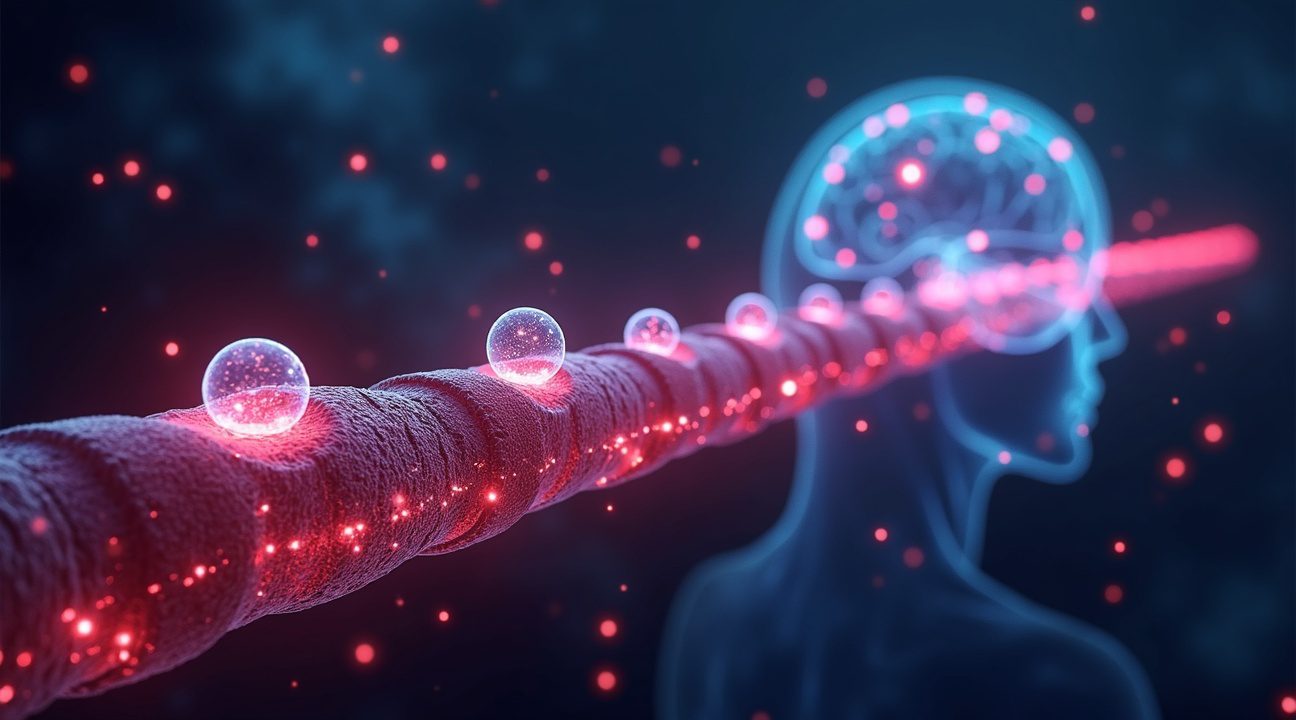
Recent mouse studies have demonstrated remarkable success rates for these injectable brain devices, with approximately 14,000 hybrid implants achieving precise placement within inflamed brain tissue. The self-implantation process occurs naturally within 72 hours of injection, eliminating the need for invasive surgical procedures that traditional brain implants require.
I find the precision capabilities particularly impressive. These devices achieve localized neuromodulation deep inside the brain with exceptional accuracy, targeting specific regions without affecting surrounding neural pathways. The biocompatible design ensures that implants don’t damage nearby neurons, a critical factor that has limited previous brain interface technologies.
Safety and Integration Results
Biocompatibility testing reveals that circulatronics safely integrate among neurons without disrupting essential brain processes. The devices don’t interfere with cognition or motor function, addressing major concerns about artificial intelligence integration with biological systems. This seamless integration represents a significant advancement over bulkier traditional implants that often trigger inflammatory responses.
The wireless functionality sets these devices apart from conventional brain interfaces. Implants can deliver focused electrical stimulation to precise areas through wireless external transmitters, eliminating the need for physical connections that could compromise brain tissue integrity. High wireless power conversion efficiency enables deep brain operation without requiring frequent battery replacements or surgical maintenance procedures.
Long-term safety studies provide encouraging results for future human applications. One-year duration studies in brain tissue confirmed the devices remain safe throughout extended periods, with infrared-powered implants maintaining functionality across approximately half the lifespan of laboratory mice. This extended operational timeline suggests these devices could provide sustained therapeutic benefits without degradation or adverse effects on neural tissue.
The wireless power transmission system demonstrates exceptional efficiency in laboratory conditions. External transmitters can activate multiple implants simultaneously, allowing researchers to stimulate various brain regions with precise timing and intensity. This capability opens new possibilities for treating complex neurological conditions that affect multiple brain areas.
Testing protocols have confirmed that the devices maintain their therapeutic capabilities throughout the entire study period. Unlike traditional implants that may lose effectiveness over time due to scar tissue formation, these microscopic devices continue delivering targeted stimulation without performance degradation. The brain’s natural processes don’t interfere with device functionality, suggesting excellent compatibility with existing neural networks.
Safety profiles remain consistently positive across all testing phases. No adverse reactions have been observed in surrounding brain tissue, and cognitive assessments show no decline in memory, learning, or motor coordination among test subjects. These results address fundamental safety concerns that have historically limited brain implant research and development.
The precision targeting capabilities enable researchers to stimulate specific neural circuits without affecting adjacent regions. This selectivity is crucial for therapeutic applications where broad stimulation could cause unwanted side effects. Each implant can be individually controlled, allowing for customized treatment protocols based on patient-specific needs.
Power efficiency measurements indicate the devices can operate continuously with minimal energy requirements from external sources. This efficiency reduces the burden on wireless transmission systems and enables longer treatment sessions without device overheating or performance issues. The infrared-powered design provides consistent energy delivery even to deeply embedded implants, ensuring reliable operation regardless of placement depth within brain tissue.
Platform Technology Targets Brain Tumors, Alzheimer’s, Multiple Sclerosis and Depression
This innovative injectable brain chip represents what researchers classify as a “platform technology”, meaning its applications extend far beyond a single medical condition. The device shows promise for treating brain tumors, Alzheimer’s disease, multiple sclerosis, depression, and chronic pain conditions that have long challenged medical professionals.
Targeting Aggressive Brain Cancers
The technology demonstrates particular strength in addressing glioblastoma, one of the most aggressive forms of brain cancer. This cancer presents unique challenges because it creates multiple tumor sites throughout the brain, with some lesions too small for current imaging technology to detect. Traditional surgical approaches often fall short because surgeons can’t locate and remove every cancerous cell, leading to high recurrence rates.
The injectable chip offers a revolutionary solution by reaching these microscopic tumor sites that conventional treatments miss. Additionally, the technology shows significant potential for diffuse intrinsic pontine glioma, an aggressive brain stem tumor that typically can’t be surgically removed due to its location in critical brain regions. The wireless nature of this device allows it to function in areas where traditional surgical intervention would be impossible or extremely risky.
Addressing Neurological and Mental Health Conditions
Beyond cancer applications, the platform technology targets brain inflammation, which plays a major role in neurological disease progression. This capability makes it particularly valuable for treating conditions like multiple sclerosis, where inflammatory processes damage the protective covering of nerve fibers. The device can deliver targeted therapy directly to inflamed brain regions without affecting healthy tissue.
Early research indicates substantial promise for electrical stimulation therapy in treating various brain diseases and mental health conditions. For depression, the technology could provide precise stimulation to specific brain circuits involved in mood regulation. This targeted approach represents a significant advancement over current treatments that often affect the entire body through systemic medication.
The platform also shows potential for managing chronic pain conditions that originate in the brain. By targeting pain processing centers directly, the device could offer relief for patients who haven’t responded to traditional pain management approaches. Artificial intelligence integration could enhance the device’s ability to adapt treatment protocols based on real-time brain activity patterns.
For Alzheimer’s disease, the technology could address both the inflammatory components of the disease and potentially stimulate areas of the brain responsible for memory formation and retention. This dual approach represents a significant departure from current Alzheimer’s treatments that primarily focus on managing symptoms rather than addressing underlying disease mechanisms.
The wireless functionality of this injectable chip eliminates many of the complications associated with traditional brain implants, which require extensive surgery and carry risks of infection or device failure. Patients can receive treatment through a simple injection procedure, making the technology accessible to individuals who might not be candidates for more invasive interventions.
Healthcare providers can monitor and adjust treatment parameters remotely, allowing for personalized therapy that adapts to each patient’s changing condition. This flexibility proves especially valuable for progressive diseases like Alzheimer’s or multiple sclerosis, where treatment needs evolve over time.
The platform’s ability to target multiple conditions with a single device design could revolutionize how medical professionals approach complex neurological and psychiatric disorders. Rather than requiring separate treatments for different symptoms or conditions, patients could potentially receive comprehensive care through one injectable system.
This technology represents a significant step forward in precision medicine for brain-related conditions. Its wireless capabilities, combined with the minimally invasive delivery method, position it as a transformative tool for treating some of medicine’s most challenging neurological and mental health disorders.
Injectable Approach Offers Alternative to Surgical Brain Implants Like Neuralink
The development of injectable brain chips represents a revolutionary shift away from the invasive procedures currently required for devices like Neuralink’s Telepathy system. While Neuralink operates with 1,000 electrodes in the motor cortex and plans to expand to 10,000 channels, with ambitious goals of reaching 25,000+ channels per implant by 2028, these advances still require patients to undergo craniotomy procedures that carry significant medical and financial burdens.
Traditional brain-computer interfaces demand invasive neurosurgery that can cost hundreds of thousands of dollars, creating barriers for many patients who could benefit from this technology. The surgical complexity becomes even more challenging when considering Neuralink’s documented 85% thread detachment rate in their first patient, highlighting the mechanical stress that invasive implantation places on delicate neural tissues.
Precision Through Microscopic Design
Circulatronics offers higher precision than conventional electrodes through its microscopic design, fundamentally changing how researchers approach brain-computer interfaces. This injectable technology eliminates the need for large surgical openings while maintaining the ability to record neural activity with exceptional accuracy. Unlike traditional implants that require precise surgical placement and carry risks of infection or tissue damage, injectable chips can be positioned with minimal trauma to surrounding brain tissue.
The microscopic nature of these devices allows for distributed monitoring across brain regions that would be difficult or impossible to access through conventional surgical approaches. This capability opens new possibilities for treating conditions that affect multiple brain areas simultaneously, potentially offering more comprehensive therapeutic solutions than single-location implants.
Real-Time Applications and Patient Independence
While Neuralink participants, seven total as of summer 2025, demonstrate increased independence through device use, injectable brain chips promise to extend these benefits to a broader patient population without surgical risks. UC Davis has already developed a faster brain-computer interface that translates brain activity to voice in real time for ALS patients, showcasing the potential for immediate therapeutic applications.
The injectable approach could revolutionize treatment accessibility for patients who aren’t candidates for invasive procedures due to age, health conditions, or other factors. Consider how artificial intelligence advancements continue to enhance brain-computer interfaces, making them more responsive and intuitive for users.
This technology represents a significant departure from current approaches that require patients to weigh the substantial risks of brain surgery against potential benefits. Injectable brain chips could make neural interfaces as routine as receiving a vaccination, dramatically expanding the population that could benefit from brain-computer technology. The reduced invasiveness also means patients could potentially receive multiple devices or upgrades without the cumulative surgical risks associated with repeated craniotomies.
Early research suggests that injectable devices might also offer better long-term stability than surgically implanted alternatives. Traditional implants face challenges from scar tissue formation and mechanical stress from brain movement, issues that could be minimized through the flexible, microscopic design of injectable systems.
The shift from surgical to injectable brain interfaces mirrors broader trends in medical technology, where less invasive approaches consistently improve patient outcomes and reduce healthcare costs. As these injectable systems advance, they may eventually surpass the capabilities of current surgical implants while offering the added benefits of easier deployment and reduced patient risk.
https://www.youtube.com/watch?v=JQ4mUuUX4bI
Three-Year Path to Clinical Trials Through MIT Spinoff Cahira Technologies
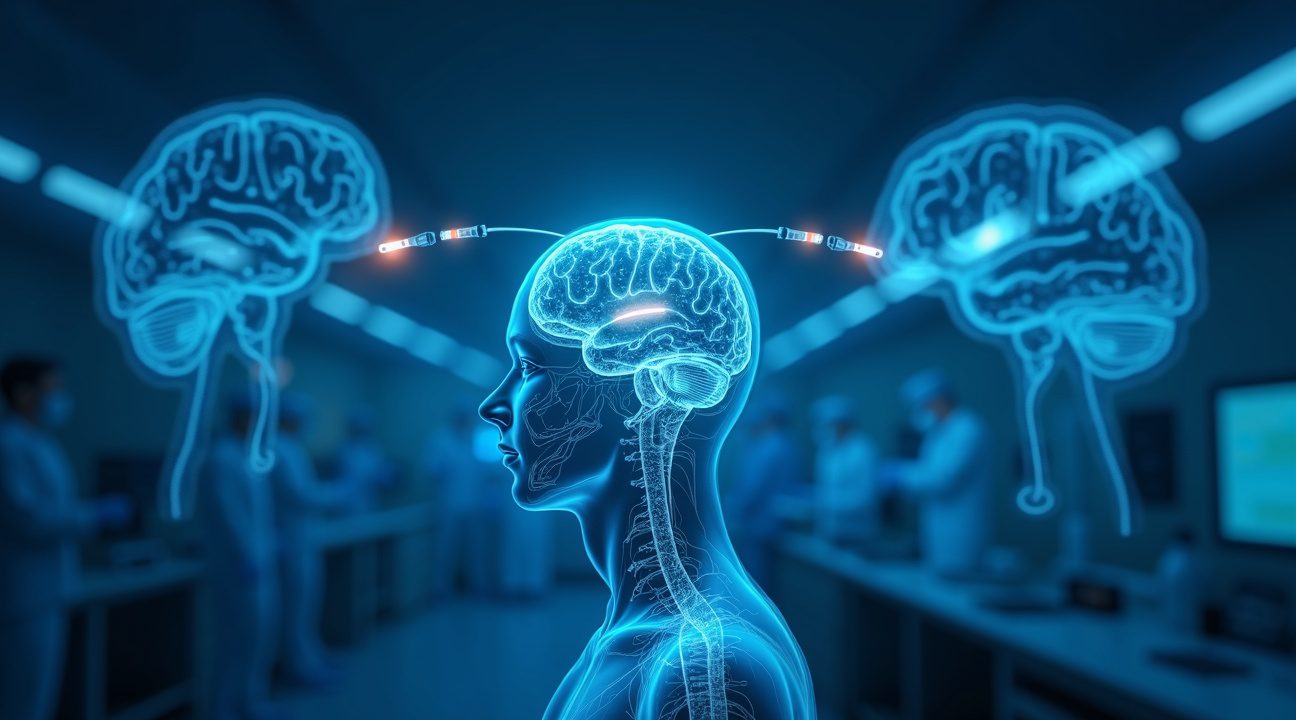
I find the commercialization timeline for this revolutionary brain chip technology remarkably aggressive yet achievable. The research team has established a clear roadmap to bring their injectable neural interface to market through Cahira Technologies, their newly formed MIT spinoff company. This three-year trajectory represents a significant acceleration compared to traditional brain implant development cycles, which typically require decades of research and testing.
Cahira Technologies isn’t just focusing on the basic injectable functionality that makes headlines. I see them developing a comprehensive platform that extends far beyond simple brain monitoring. The team’s plans include integrating sophisticated nanoelectronic circuits that will enable both sensing and feedback capabilities within the same microscopic device. This dual functionality transforms the chip from a passive monitoring tool into an active therapeutic platform that can respond to neural conditions in real-time.
Advanced Capabilities and Broader Applications
The development of synthetic electronic neurons represents perhaps the most ambitious aspect of this technology. I anticipate this capability will allow the devices to replace damaged neural pathways or augment existing brain functions in ways previously impossible with traditional implants. The artificial intelligence integration potential here could revolutionize how we treat neurological disorders.
Beyond brain applications, the technology’s versatility extends to other body regions where neural monitoring or stimulation might prove beneficial. I expect to see applications in:
- Spinal cord monitoring
- Peripheral nerve assessment
- Cardiac rhythm management
The ability to engineer these devices to dissolve after predetermined time periods addresses a critical concern in medical device safety, eliminating the need for removal procedures.
The planned on-chip data analysis capabilities represent another leap forward in neural technology. Rather than requiring external processing power, these microscopic devices will analyze neural signals internally and transmit only relevant information. This approach:
- Reduces power consumption
- Minimizes data transmission requirements
- Enables more sophisticated real-time decision-making within the brain itself
I believe the most transformative aspect lies in the accessibility this technology promises. Traditional brain implants require extensive neurosurgical procedures, limiting their availability to specialized medical centers and creating significant barriers for patients. The simple injection delivery method completely changes this paradigm, making therapeutic brain interventions available in standard outpatient settings.
This accessibility factor cannot be overstated. I see potential for this technology to reach underserved populations who previously had no access to advanced neural therapies. Rural medical facilities, developing regions, and patients who cannot undergo major surgery suddenly gain access to cutting-edge brain interventions. The implications for treating depression, epilepsy, Parkinson’s disease, and other neurological conditions are staggering.
The three-year clinical trial timeline suggests the team has already completed substantial preclinical work and regulatory preparation. I expect Cahira Technologies to leverage MIT’s research infrastructure and regulatory expertise to accelerate the approval process. The company’s formation specifically to commercialize this technology demonstrates serious commitment to bringing these devices to market rapidly.
Development challenges remain significant, particularly around long-term biocompatibility and precise targeting within brain tissue. However, the team’s systematic approach to expanding functionality while maintaining the core injectable delivery method suggests they’re building a scalable platform rather than a single-use device. This strategic thinking positions them well for capturing multiple market segments as the technology matures.
The potential market impact extends beyond medical applications. I anticipate interest from research institutions seeking less invasive methods for studying brain function, as well as potential applications in brain enhancement research and cognitive monitoring. The dissolving capability makes these devices particularly attractive for temporary studies or diagnostic procedures where permanent implantation isn’t justified.
Cahira Technologies appears positioned to disrupt the entire neural interface industry by eliminating the primary barrier that has kept brain implants limited to severe medical cases requiring surgical intervention.
Sources:
MIT News – New therapeutic brain implants defy the need for surgery
Neuralink – Neuralink Update, Summer 2025 (YouTube)
Singularity Hub – Brain Implants Smaller Than Cells Can Be Injected Into Veins
Wikipedia – Neuralink
Medical Xpress – Neural implant smaller than a grain of salt can wirelessly track brain
TIME – Computer Chips in Our Bodies Could Be the Future of Medicine
Neuralink – Official Neuralink Website
UC Davis Health News – First-of-its-kind technology helps man with ALS ‘speak’ in real time