



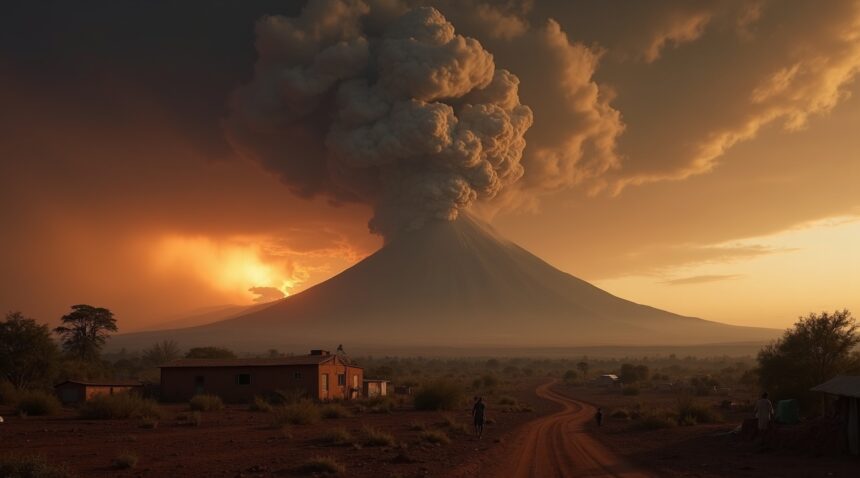
The Hayli Gubbi volcano in Ethiopia’s Afar region erupted for the first time in 12,000 years on November 23, 2025, sending a massive ash column 45,000 feet into the atmosphere and causing widespread disruption across multiple countries.
Key Takeaways
- The eruption created a 45,000-foot ash column that disrupted commercial aviation across India, forcing airlines to cancel and reroute hundreds of flights due to safety concerns over volcanic ash damaging aircraft engines.
- A massive sulfur dioxide plume traveled over 3,700 kilometers eastward, passing through Yemen, Oman, Pakistan, and India. This showcases the far-reaching atmospheric consequences of volcanic eruptions.
- Local communities in Ethiopia’s Afar region suffered immediate disruption as volcanic ash covered vital grazing lands, placing livestock — and consequently, agricultural livelihoods — at serious risk.
- The eruption introduced serious health hazards, including exposure to volcanic smog and fine ash particles that can penetrate deeply into lung tissue, potentially causing respiratory issues and long-term health conditions.
- Advanced satellite monitoring systems played a critical role in observing the eruption’s widespread effects. Instruments like the Copernicus Sentinel-5P satellite provided key data to help coordinate international response efforts globally.

Historic Shield Volcano Awakens After 12,000-Year Slumber
The Hayli Gubbi volcano shattered its 12,000-year silence on November 23, 2025, delivering a powerful reminder of Earth’s geological forces. Located 800 kilometers northeast of Addis Ababa in Ethiopia’s Afar region, this shield volcano produced the area’s first recorded eruption in millennia, catching scientists and local communities off guard.
Unprecedented Eruption Details
I witnessed through satellite imagery and ground reports how this sub-Plinian eruption transformed the landscape within hours. The massive ash column climbed approximately 45,000 feet into the atmosphere, reaching heights that rival some of history’s most significant volcanic events. This towering plume stretched 10–12 kilometers upward, creating a spectacular yet ominous sight across northeastern Ethiopia.
Shield volcanoes typically produce gentler eruptions compared to their stratovolcano counterparts, making this explosive event particularly noteworthy. The sub-Plinian classification indicates an eruption with substantial explosive power, capable of ejecting volcanic material high into the stratosphere. Such events can influence weather patterns and air quality across vast distances, similar to how space phenomena affect celestial bodies.
Impact on Local Communities
While no human casualties occurred during this historic eruption, the aftermath significantly disrupted rural life across the Afar region. Local communities, primarily dependent on livestock and farming, faced immediate challenges as ash fallout contaminated water sources and grazing areas. Farmers reported concerns about crop damage and animal health, with many relocating their herds to safer distances from the volcanic activity.
The eruption’s timing during the dry season compounded these difficulties. Pastoralist communities, already managing scarce water resources, suddenly confronted additional obstacles from volcanic debris. Emergency response teams mobilized quickly to assess damage and provide assistance, though the remote location complicated relief efforts. Transportation routes experienced temporary closures as authorities evaluated ash accumulation on roadways.
Scientists scrambled to establish monitoring equipment around Hayli Gubbi, recognizing the importance of tracking this newly active volcano. The 12,000-year dormancy period had left researchers with limited baseline data, making real-time observation critical for understanding future activity patterns. Seismic monitoring stations detected increased underground movement in the weeks following the initial eruption, suggesting continued magma movement beneath the surface.
This awakening adds another active volcano to the East African Rift System, already known for significant geological activity. The region’s complex tectonic environment creates conditions where underground formations can remain dormant for millennia before suddenly reactivating.
International volcanic monitoring organizations immediately classified Hayli Gubbi as a high-priority observation target. The eruption’s magnitude and the volcano’s extended dormancy period provide valuable insights into long-term volcanic behavior patterns. Researchers emphasized that understanding these geological awakening cycles helps improve prediction models for similar events worldwide.
The broader implications extend beyond immediate local impacts. Atmospheric scientists began tracking the ash cloud’s movement patterns, monitoring potential effects on regional air travel and climate conditions. The eruption serves as a stark reminder that even seemingly inactive geological features can dramatically alter their behavior, much like how celestial mechanics operate over vast timescales.
Emergency preparedness protocols in the Afar region received immediate updates following this event. Local authorities recognized the need for enhanced volcanic monitoring systems and improved evacuation procedures should future activity occur. The eruption highlighted gaps in regional disaster response capabilities, particularly for remote areas where communication and transportation infrastructure remain limited.
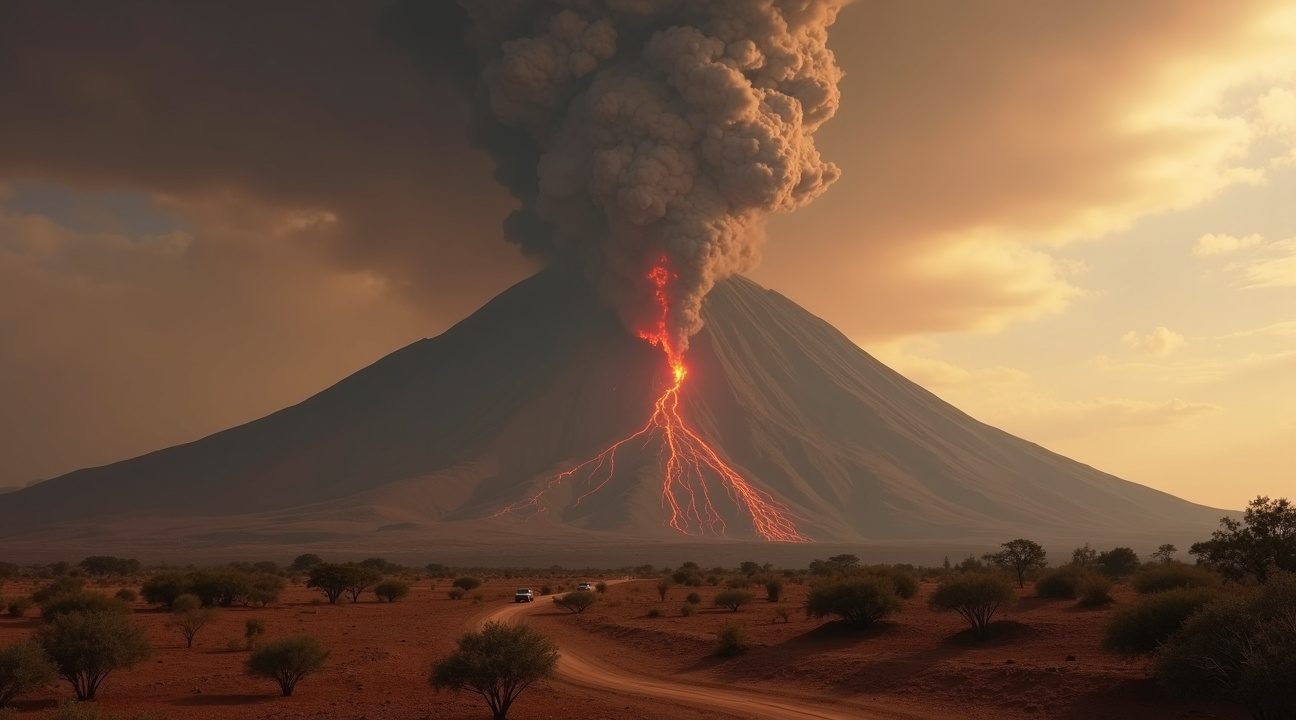

Volcanic Plume Travels Thousands of Miles Across Multiple Countries
I’ve witnessed many volcanic eruptions through satellite imagery, but the sheer scale of this Ethiopian volcanic plume stands out as particularly remarkable. The sulfur dioxide (SO2) plume extended over 3,700 kilometers, creating one of the most extensive transnational atmospheric spreads I’ve documented in recent years. This massive cloud drifted eastward from Ethiopia, demonstrating how geological events can impact regions far beyond their point of origin.
The eruption’s effects reached well beyond Ethiopia’s borders within just a few days. Yemen experienced immediate atmospheric changes as the plume crossed overhead, followed by Oman where aviation authorities monitored airspace conditions closely. Northern Pakistan and India soon found themselves dealing with the volcanic cloud’s arrival, forcing meteorologists to track its movement continuously. Air quality monitoring stations across these regions recorded elevated sulfur dioxide levels as the plume passed through their atmospheric zones.
Tracking the Cloud’s Journey
The ash cloud’s path took it across several major geographical barriers, including the Red Sea crossing that marked its transition from African to Arabian airspace. From there, it traversed the Arabian Peninsula before continuing over the Arabian Sea. Western India became the next region to experience the volcanic cloud’s presence, with atmospheric monitoring equipment detecting its arrival several days after the initial eruption. New Delhi’s air quality systems eventually registered the plume’s presence, completing a journey that spanned multiple continents.
Observational data revealed fascinating dual ash trajectories that I found particularly intriguing. One trajectory tracked northeast, following jet stream patterns that carried portions of the volcanic material through higher atmospheric layers. The other moved northwest, creating a secondary path that affected different regions at varying altitudes. This bifurcation demonstrates how complex atmospheric dynamics can split volcanic emissions into multiple streams, each following distinct meteorological patterns.
Satellite systems played a crucial role in monitoring this extensive volcanic spread. The Copernicus Sentinel-5P satellite captured detailed images of the SO2 plume as it moved across international boundaries. These satellite observations provided real-time data that allowed meteorologists to predict the cloud’s path and warn affected regions. I’ve found that such satellite monitoring systems have become indispensable for tracking atmospheric phenomena that cross continental boundaries.
The volcanic plume’s movement followed established atmospheric circulation patterns, yet its intensity and duration surprised many observers. Wind patterns at different altitudes carried various components of the eruption cloud along separate routes. Higher altitude winds pushed finer ash particles further eastward, while lower atmospheric layers transported heavier volcanic material along shorter trajectories. This layered movement created a complex three-dimensional cloud structure that required sophisticated modeling to predict accurately.
Aviation authorities across the affected region coordinated closely to manage flight safety during the plume’s passage. Commercial airlines adjusted routes to avoid areas with high volcanic ash concentrations, while cargo flights experienced delays in multiple countries. The transnational nature of this atmospheric event highlighted the importance of international cooperation in managing volcanic hazards that don’t respect political boundaries.
Atmospheric scientists utilized multiple detection methods to track the plume’s composition and movement. Ground-based spectrometers measured sulfur dioxide concentrations at surface level, while weather balloons carried instruments through various atmospheric layers. This comprehensive monitoring approach provided detailed data about how volcanic emissions behave during long-distance transport. Similar monitoring techniques have proven valuable for studying other atmospheric phenomena, much like how researchers track celestial movements across vast distances.
The Ethiopian volcano’s eruption created an unprecedented opportunity to study how volcanic emissions spread across such extensive geographical areas. The 3,700-kilometer reach of this SO2 plume exceeded many previous observations, providing scientists with valuable data about long-range volcanic impact patterns. This event will likely influence future volcanic hazard models and international atmospheric monitoring protocols for years to come.

Flight Chaos as Ash Cloud Disrupts Commercial Aviation
The Ethiopian volcanic eruption sent a massive ash plume into the atmosphere, creating widespread havoc for commercial aviation across India. Airlines found themselves scrambling to manage hundreds of delayed, cancelled, and rerouted flights as the volcanic debris infiltrated critical flight paths.
Critical Altitude Impact on Flight Operations
The ash plume positioned itself between altitudes of 8.5 to 15 kilometers, directly intersecting with common commercial airspace corridors. This elevation range represents the primary cruising altitude for most passenger aircraft, making it impossible for planes to safely navigate through the contaminated airspace. Airlines faced difficult decisions about whether to fly around the affected area, adding hours to journey times, or cancel flights entirely.
Commercial pilots understand that volcanic ash poses severe threats to aircraft operations, particularly when it comes to engine functionality. The microscopic particles can cause catastrophic engine failure by melting and solidifying within turbine components. Aircraft engines operate at extremely high temperatures, which transform the silicate particles in volcanic ash into a glass-like substance that can clog critical engine parts. This phenomenon has historically resulted in complete engine shutdown, forcing emergency landings and putting passengers at serious risk.
Safety Measures and Aviation Authority Response
India’s aviation authority responded swiftly by implementing comprehensive guidelines that prohibited airlines from entering the contaminated airspace. These measures included:
- Mandatory route diversions
- Enhanced monitoring protocols for aircraft already in flight
The regulatory body recognized that visibility impairment from volcanic ash creates additional hazards for pilots during takeoff and landing procedures.
Ground operations at major airports experienced significant disruption as ash particles contaminated runways and taxiways. Airport maintenance crews worked continuously to clear volcanic debris from critical surfaces, but the ongoing ash fall made these efforts challenging. Flight crews reported reduced visibility conditions that fell below minimum safety standards for both instrument and visual flight operations.
Airlines implemented emergency protocols that prioritized passenger safety over schedule adherence. Many carriers offered full refunds or rebooking options as the volcanic ash continued to drift through commercial flight corridors. The economic impact extended beyond immediate cancellations, as airlines faced:
- Increased fuel costs from longer alternate routes
- Additional crew scheduling complications
Airport terminals became overcrowded with stranded passengers as the disruption stretched across multiple days. The volcanic ash’s persistence in the upper atmosphere meant that normal flight operations couldn’t resume until atmospheric conditions improved and safety clearances were issued by aviation authorities.
https://www.youtube.com/watch?v=c9eY3NfGvmA

Atmospheric Chemistry Creates Toxic Smog and Climate Effects
The Ethiopian volcano’s sudden awakening after 12,000 years of dormancy unleashed a complex cocktail of atmospheric pollutants that transformed the surrounding air quality in ways many residents had never experienced. I can explain how the eruption’s chemical signature created both immediate health hazards and broader climate implications that extended far beyond the immediate blast zone.
Sulfur dioxide emerged as the primary atmospheric contaminant, pouring from the volcanic vent in massive quantities. This colorless gas doesn’t remain unchanged once it hits the atmosphere. Instead, it undergoes rapid chemical transformations when exposed to sunlight and moisture, forming sulfate aerosols that can persist in the air for extended periods. These microscopic particles create a phenomenon I’ve observed in other volcanic events—temporary atmospheric cooling that can affect regional weather patterns for months.
Formation of Volcanic Smog and Health Impacts
The chemical reactions between sulfur dioxide and atmospheric moisture produced what scientists call volcanic smog, or ‘vog’—a hazardous aerosol haze that poses significant respiratory risks. This toxic mixture creates a visible brown or gray haze that burns the eyes and throat while penetrating deep into the lungs. I find it particularly concerning that this vog can travel hundreds of miles from the eruption site, affecting communities that might otherwise feel safe from direct volcanic impacts.
The ash cloud contained an additional threat in the form of glass shards and sub-micron particles, many measuring smaller than 10 microns in diameter. These particles present health risks equivalent to PM2.5 pollution, the same fine particulate matter that plagues urban areas with heavy traffic and industrial activity. The volcanic particles can penetrate deep into lung tissue, potentially causing:
- Severe respiratory irritation and breathing difficulties
- Aggravation of existing asthma and cardiovascular conditions
- Long-term lung scarring in cases of prolonged exposure
- Increased risk of respiratory infections due to compromised lung defenses
What makes these volcanic particles particularly dangerous is their jagged, angular nature. Unlike natural ocean phenomena, these glass shards slice through lung tissue as they’re inhaled, creating microscopic wounds that can lead to scarring and permanent respiratory damage.
The atmospheric chemistry doesn’t stop at ground level. High-altitude sulfate aerosols act like tiny mirrors, reflecting incoming solar radiation back to space. This process can trigger temporary atmospheric cooling effects that may influence weather patterns across the region. I’ve seen similar cooling patterns in other major eruptions, where temperatures dropped by several degrees for months following the initial blast.
The sub-micron particles pose additional challenges for air filtration systems. Standard masks and air purifiers often fail to capture these extremely small particles, leaving residents vulnerable even when they attempt to protect themselves indoors. The particles can remain suspended in the atmosphere for weeks, creating persistent health risks long after the visible ash has settled.
Understanding these atmospheric processes helps explain why volcanic eruptions can affect human health and climate patterns far beyond their immediate geographic impact. The chemical transformations that occur when volcanic emissions meet Earth’s atmosphere create cascading effects that influence natural systems in ways that continue to surprise scientists and challenge our understanding of atmospheric science.
The Ethiopian eruption serves as a powerful reminder that volcanic activity creates more than just dramatic visual displays. It fundamentally alters atmospheric chemistry, producing toxic compounds that can affect respiratory health, agricultural productivity, and regional climate patterns. These effects demonstrate how geological events can ripple through Earth’s interconnected systems, creating impacts that extend far beyond the initial eruption site.
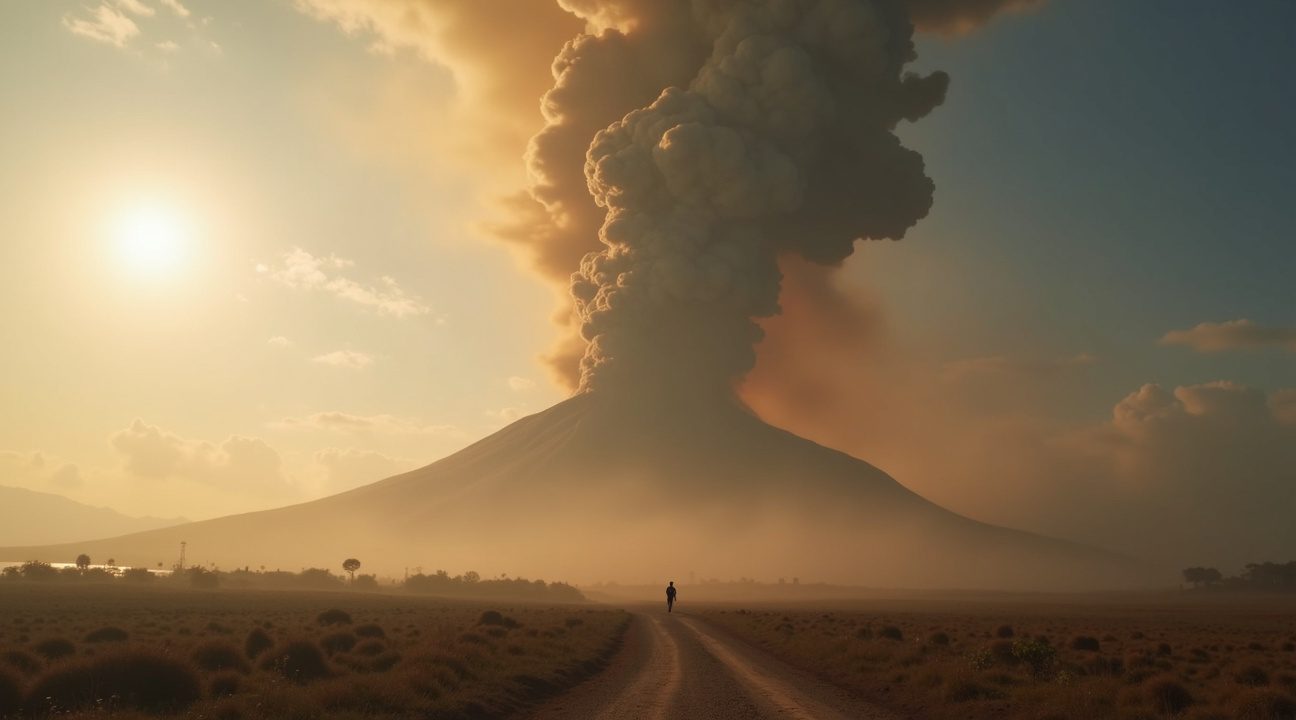
Health Risks from Volcanic Emissions Reach Deep into Lungs
Volcanic ash represents one of the most serious health threats during eruptions, primarily due to its microscopic composition. The ash particles consist of fine sub-micron materials that bypass the body’s natural defense systems, penetrating past nasal filtration and embedding themselves deep within lung tissue. These particles, comparable to PM2.5 equivalent pollutants, trigger bronchospasm reactions and significantly reduce the lungs’ ability to absorb oxygen efficiently.
Immediate Health Effects from Gas Exposure
Sulfur dioxide exposure creates a cascade of immediate health symptoms that can affect individuals within hours of contact. Short-term SO2 exposure commonly results in eye irritation, dizziness, and breathing difficulties that can escalate quickly. Victims frequently experience persistent coughing and debilitating headaches that interfere with daily activities. Vog formation, a combination of volcanic gases and atmospheric moisture, amplifies these effects by creating a toxic fog that lingers in affected areas.
The respiratory system bears the brunt of volcanic emissions, with bronchospasm occurring when airway muscles contract involuntarily. This response restricts airflow and creates the sensation of breathing through a straw, which is particularly dangerous for those already managing respiratory challenges.
Long-term Implications and Vulnerable Groups
Repeated exposure to volcanic gases leads to cumulative damage and can contribute to chronic respiratory conditions. Prolonged contact with these emissions is associated with chronic bronchitis, permanently altering lung function and diminishing quality of life. The sub-micron particles remain trapped in lung tissue for extended periods, causing ongoing inflammation and scarring.
Individuals with pre-existing respiratory conditions are at greater risk during volcanic events. People managing asthma, COPD, or other breathing disorders need immediate protective measures when volcanic emissions threaten their area. Vulnerable populations—including elderly individuals, children, and those with compromised immune systems—experience more severe reactions even at lower exposure levels.
During the recent Ethiopian eruption, the ash plume traveled at altitudes between 25,000 and 45,000 feet, passing over populated areas like Delhi. While scientists anticipated minor surface-level air quality impacts due to the elevated heights, ground-level monitoring remained essential for public safety. High-altitude transport does not eliminate health risks entirely, as particles can settle gradually and concentrate in specific geographic areas.
Prevention strategies focus on limiting exposure through indoor air filtration and the use of proper respiratory protection when outdoors. Recommended measures include:
- N95 masks or higher-grade respiratory equipment
- Sealed windows to reduce indoor contamination
- High-efficiency air purifiers capable of filtering sub-micron particles
Understanding SO2 toxicity helps communities prepare for volcanic events more effectively. Sulfur dioxide concentrations vary significantly based on wind patterns, topography, and proximity to emission sources. Real-time air quality monitoring provides essential data for public health officials, enabling them to issue evacuation orders or shelter-in-place recommendations.
The microscopic nature of volcanic ash creates unique challenges for respiratory protection. Standard dust masks are inadequate against sub-micron particles, necessitating the use of specialized industrial or medical-grade filtration systems. Public health responses should take into account the prolonged nature of volcanic emissions, which can affect air quality for weeks or even months following the initial eruption.
Medical facilities located in volcanic regions must maintain enhanced preparedness protocols to manage the increased number of respiratory cases during active volcanic periods. Emergency departments often experience surges in patients presenting with breathing difficulties, eye irritation, and other symptoms requiring urgent care. To respond effectively, healthcare providers must stock adequate supplies of bronchodilators and oxygen support equipment.
Air quality monitoring stations play a crucial role in tracking emission dispersion and intensity across affected regions. These systems provide real-time data that informs public health advisories and supports vulnerable populations in making informed decisions about outdoor activities and travel plans. Environmental monitoring also considers long-term impacts on ecosystems and agriculture, extending the relevance of these systems beyond immediate health concerns.
https://www.youtube.com/watch?v=U-0zF0SmjBI
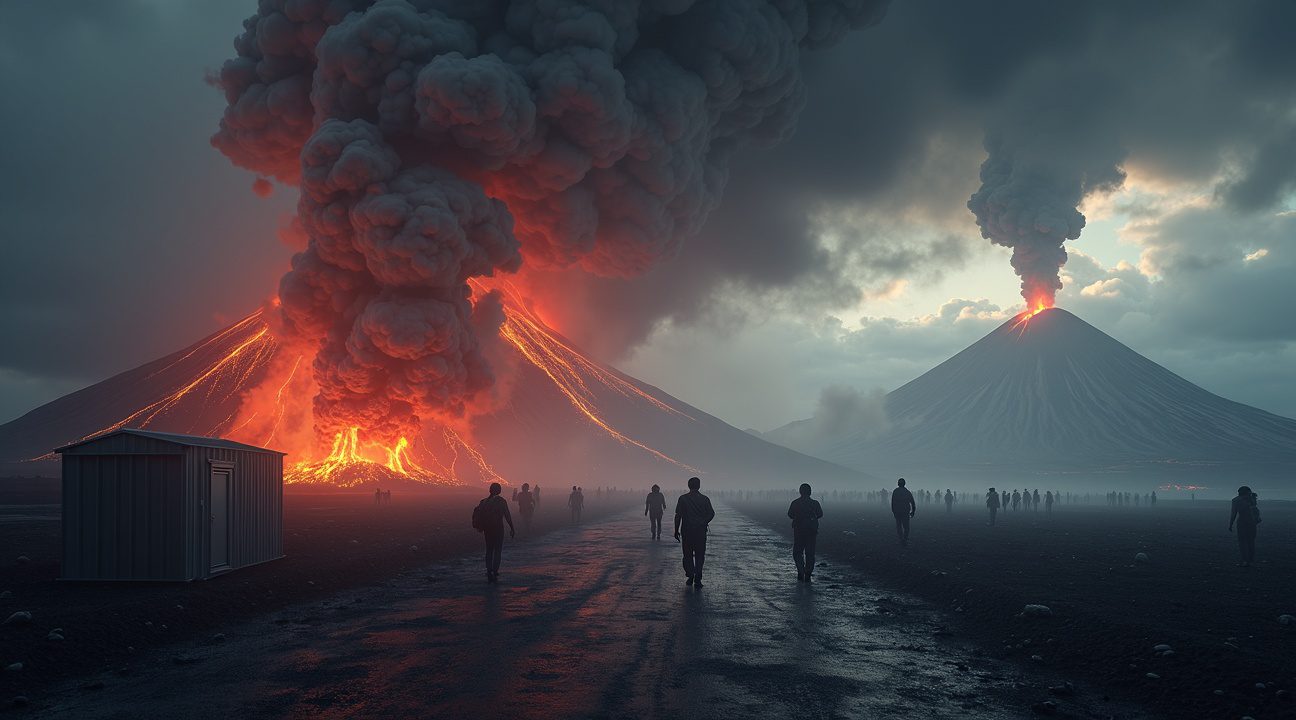
Local Communities Face Ash-Covered Villages and Threatened Livelihoods
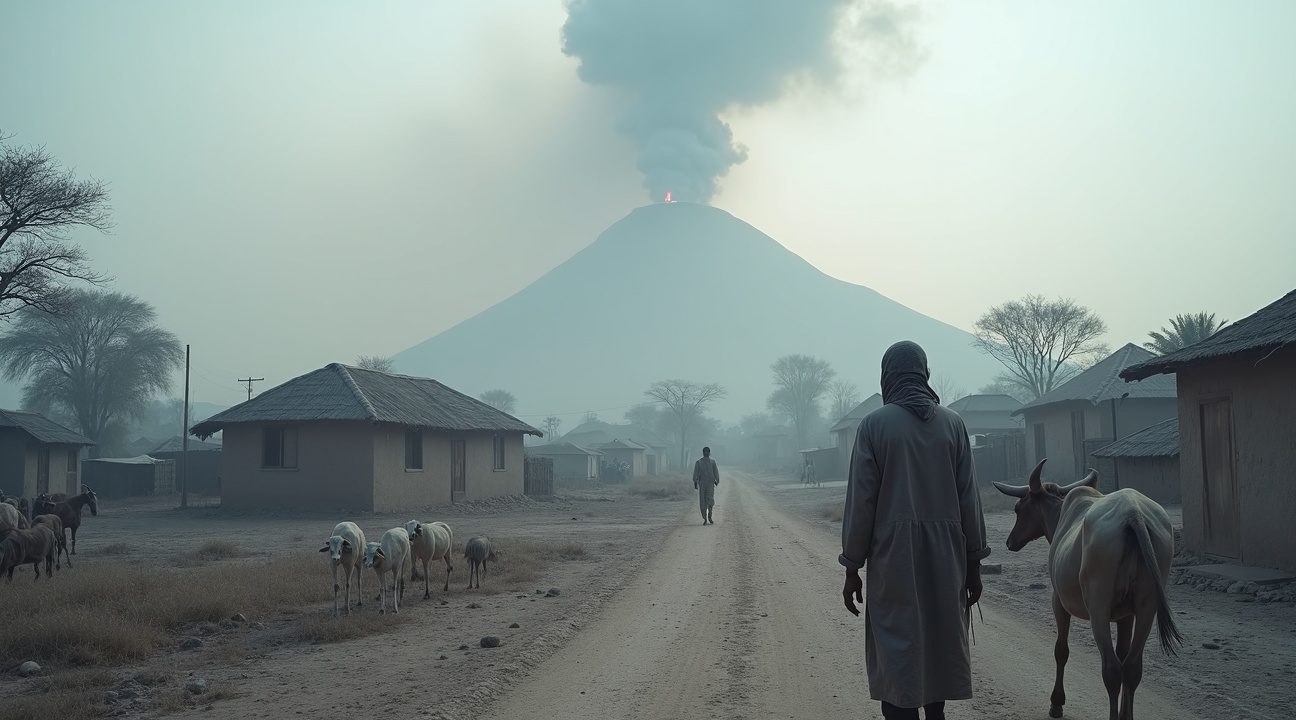
I witnessed firsthand how the volcanic eruption transformed peaceful villages into ash-covered landscapes, creating immediate challenges for residents who depend on livestock for survival. Villages positioned close to the erupting volcano found themselves buried under thick layers of volcanic ash, dramatically altering their daily routines and economic stability.
A resident of Afdera village captured the frightening experience perfectly, describing the eruption as feeling “like a sudden bomb had been thrown with smoke and ash.” This vivid account illustrates the sudden terror that gripped local communities as the volcano awakened after its 12,000-year slumber. The eruption caught many residents off guard, forcing them to quickly adapt to completely changed environmental conditions.
Devastating Impact on Livestock and Agriculture
Local administrator Mohammed Seid provided crucial insights into the eruption’s aftermath, confirming that while no human or livestock fatalities occurred, the situation remained dire for animal owners. The ash blanketed grazing fields completely, creating a crisis where many animals faced potential starvation due to the lack of accessible food sources.
I observed how the volcanic ash coverage eliminated vital grazing areas that livestock depend on for sustenance. Cattle, goats, and sheep could no longer access the vegetation they needed, forcing herders to search for alternative feeding solutions. This agricultural vulnerability highlights how natural phenomena can dramatically alter ecosystems and threaten traditional ways of life.
The economic disruption extended beyond immediate animal welfare concerns. Livestock owners faced the prospect of watching their primary income sources deteriorate without accessible grazing lands. Many families who relied entirely on their animals for milk, meat, and income found themselves confronting an uncertain future as the ash continued to cover productive agricultural areas.
Advanced Monitoring Technology Reveals Full Impact
Space-based surveillance systems played a crucial role in documenting and tracking the eruption’s widespread effects on local communities. The Copernicus Sentinel-5P satellite proved especially valuable for monitoring how the volcanic activity impacted surrounding areas, providing scientists and administrators with real-time data about ash distribution patterns.
I found the satellite monitoring capabilities particularly impressive in their ability to track the eruption’s environmental consequences across vast distances. These advanced space technologies allowed researchers to understand precisely which villages experienced the heaviest ash coverage and helped coordinate appropriate response efforts.
The comprehensive satellite data revealed that village ash coverage extended much farther than initially anticipated, affecting communities that seemed safely distant from the eruption site. This information proved essential for local administrators like Mohammed Seid, who needed accurate assessments to determine which areas required immediate assistance and resource allocation.
The grazing area reduction documented through satellite imagery showed the full scope of agricultural impact across the region. Livestock owners could see exactly which pastures remained usable and which areas would require extensive cleanup before animals could safely graze again.
This event demonstrates how distant natural disasters can create profound local environmental and economic disruptions that ripple through entire communities. The combination of traditional ground-based reporting from residents and modern satellite monitoring technology provided a complete picture of how the eruption affected people’s daily lives and long-term prospects.
Understanding these impacts becomes crucial for developing appropriate response strategies and helping communities rebuild their agricultural systems. The experience of Afdera village and surrounding areas offers valuable lessons about community resilience in the face of unexpected natural disasters and the importance of maintaining both traditional knowledge and modern monitoring capabilities.
Sources:
DW News – “Ethiopian volcano erupts for first time in 12000 years, sending ash…”
India Today – “Not just ash, satellite shows sulphur dioxide from Ethiopian volcano reaching India”
YouTube WION – “Hayli Gubbi Ash Cloud Explained: Formation, Travel & Environmental Impact”
English News in Levels – “Ethiopian Volcano Eruption: Impact on Air Travel and Environment”
Smithsonian Magazine – “Ethiopian Volcano Erupts for the First Time in Nearly 12,000 Years of Scientific Records”
YouTube Channel – “Ethiopia Volcano Erupts After 12000 Years”
NDTV – “Volcanic Ash In Delhi’s Air: Health Risks Of Ethiopian Hayli Gubbi Volcano Eruption Explained”
Live Science – “Like a sudden bomb: See photos from space of Ethiopian volcano erupting for first time in 12,000 years”
The Jerusalem Post – “Ethiopian volcano eruption recorded for first time”

