


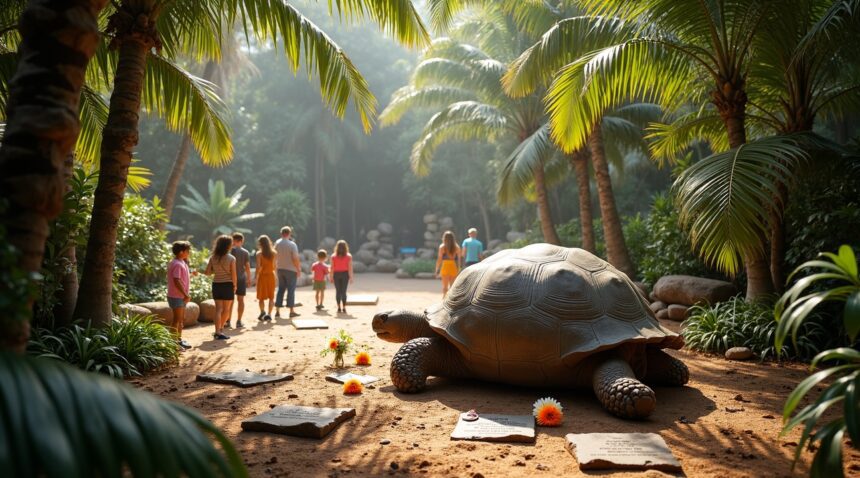
The San Diego Zoo recently bid farewell to its oldest resident, Gramma, a Galápagos tortoise who lived an extraordinary 141 years, marking her as one of the longest-lived animals ever recorded and symbolizing the incredible longevity these gentle giants can achieve under human care.
Key Takeaways
- Gramma lived to 141 years old, making her one of the longest-living documented animals, though lifespans of this length are rare but not unheard of in Galápagos tortoises.
- Her long life provided valuable research that contributed to longevity studies and enhanced scientific understanding of aging in reptiles.
- Galápagos tortoises typically reach 100-120 years in the wild, with some living up to 175 years in captivity due to ideal conditions.
- Conservation success has led to population growth, increasing from 15,000 in the 1970s to over 19,000 individuals today.
- Gramma’s legacy lives on through conservation programs and educational outreach at the San Diego Zoo.
Gramma’s Scientific Contribution
Gramma’s extraordinary lifespan has granted scientists rare insight into long-term aging processes in reptiles. Over the course of her life, zoo researchers carefully documented her health, creating an extensive archive of biological data. This information has proven invaluable in studying cellular regeneration and metabolic functionality in slow-aging species. Her contributions enhance global care standards for elderly tortoises and other long-lived reptiles.
Longevity in Captivity vs. the Wild
While Galápagos tortoises typically live 100–120 years in their natural habitat, various environmental pressures—such as predation and limited food access—shorten their potential lifespan. In contrast, life in captivity at facilities like the San Diego Zoo protects these animals from such stresses. With access to regular veterinary care, balanced diets, and stable climates, many tortoises enjoy lifespans 20–40 years longer than their wild counterparts.
Impact on Conservation Efforts
Gramma was not only a scientific marvel but also an ambassador for conservation. The San Diego Zoo has played a leading role in breeding programs that help preserve Galápagos tortoise genetic diversity. These initiatives have significantly contributed to the subspecies’ population recovery across the islands. Gramma’s genetic lineage continues to thrive through several offspring currently housed at global conservation facilities.
Public Engagement and Education
Gramma’s presence inspired educational programs that connect visitors to the importance of wildlife conservation. Her age and story were frequently highlighted during zoo tours, helping guests visualize conservation successes and ongoing challenges. By forming a bond with Gramma, visitors became more invested in protecting endangered species worldwide.

San Diego Zoo Loses Its Oldest Resident at 141 Years
The San Diego Zoo mourns the loss of Gramma, its oldest resident who passed away at the remarkable age of 141 years. Gramma was a Galápagos tortoise, representing one of Earth’s most long-lived species and serving as a living testament to the extraordinary longevity these ancient creatures can achieve.
Born in the wild during the 1880s, Gramma spent most of her exceptionally long life under the protective care of the zoo. Her death represents the end of an era, marking the loss of one of the longest-lived animals in documented history. The timing of her passing reminds us how ancient species continue to fascinate researchers and visitors alike.
A Legacy of Longevity Among Giant Tortoises
While Gramma’s 141 years represents an extraordinary lifespan, it wasn’t entirely unprecedented among her species. Harriet, another famous Galápagos tortoise, achieved even greater longevity by living to 175 years old. These remarkable lifespans highlight the unique biological characteristics that allow Galápagos tortoises to outlive virtually every other animal species on the planet.
Gramma’s life spanned multiple human generations, witnessing technological advances that transformed the world around her. From her birth in the late 19th century through the digital age, she remained a constant presence at the zoo, becoming a beloved figure for countless visitors who marveled at her ancient wisdom and gentle demeanor.
The loss of Gramma affects not just the San Diego Zoo community but also conservation efforts worldwide. Giant Galápagos tortoises like her serve as crucial ambassadors for their species, helping educate the public about the importance of protecting these magnificent creatures and their natural habitats. Her passing creates a void that extends beyond the zoo’s boundaries, much like how other significant losses impact entire communities.
Zoo officials note that Gramma’s advanced age made her a valuable subject for longevity research, contributing to scientific understanding of aging processes in reptiles. Her genetic material and health records will continue supporting research efforts aimed at better understanding how these tortoises achieve such remarkable lifespans.
The San Diego Zoo plans to honor Gramma’s memory through continued conservation efforts and educational programs focused on Galápagos tortoise preservation. Her legacy will live on through the knowledge she helped generate and the inspiration she provided to visitors who learned about the incredible resilience and longevity of her species.
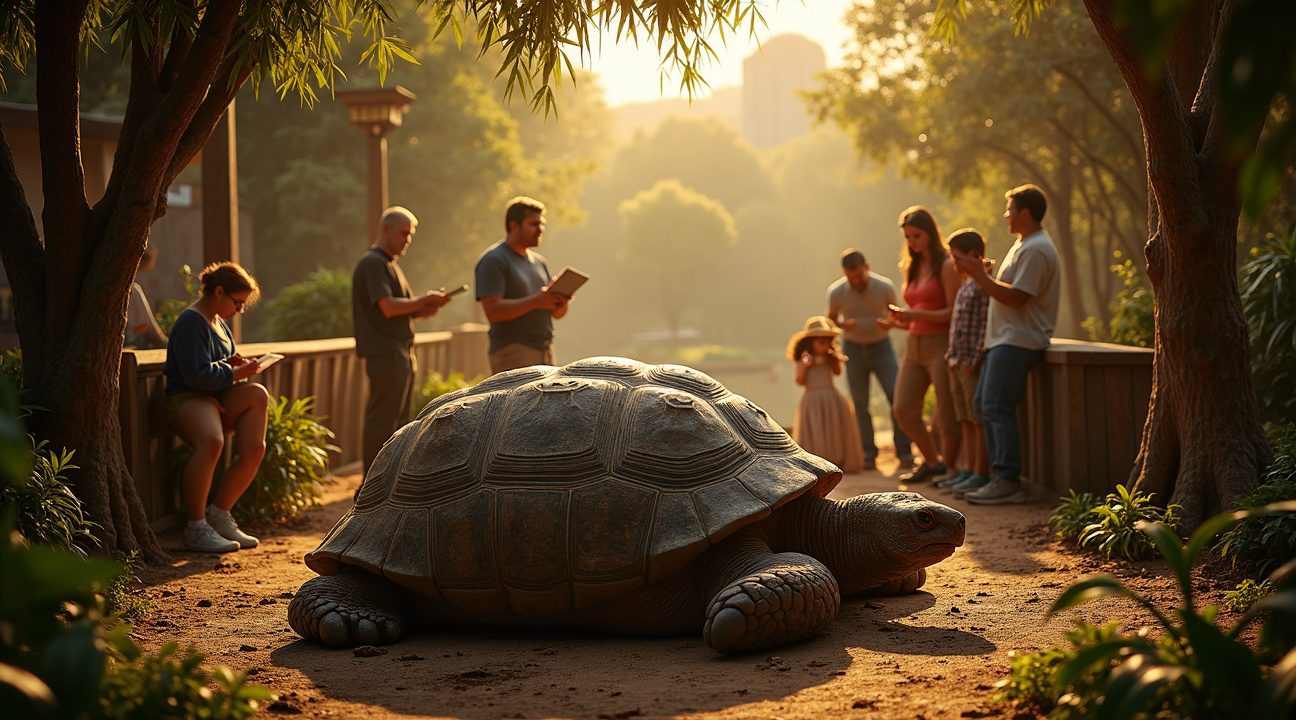

Exceptional Lifespans Make Galápagos Tortoises Nature’s Time Keepers
I find it remarkable that Galápagos tortoises typically live 100 to 120 years in the wild, making them true champions of longevity. When these ancient creatures receive protected care, their lifespans can extend even further, with some individuals reaching up to 177 years. Harriet, one of the most famous Galápagos tortoises in history, lived to be 175 years old, capturing hearts worldwide and demonstrating just how extraordinary these animals truly are.
The species ranks among the longest-lived vertebrates on Earth, and I believe their incredible longevity stems from several fascinating biological factors. Their slow metabolism plays a crucial role in reducing cellular damage over decades, essentially allowing them to age at a much slower rate than most other animals. This metabolic efficiency means their bodies experience less wear and tear from the constant cellular processes that typically accelerate aging in other species.
Low predation in the Galápagos Islands creates another significant advantage for these gentle giants. I’ve learned that this peaceful environment allows them to live long, undisturbed lives without the constant stress of avoiding predators. Unlike ancient creatures from prehistoric times, these tortoises have maintained their ability to thrive in a relatively stable ecosystem.
Evolutionary adaptation to a stable, resource-rich environment has shaped these tortoises into masters of survival and long-term health. Their bodies have developed efficient systems for conserving energy and processing nutrients slowly but effectively. The volcanic islands provide diverse vegetation that supplies essential minerals and nutrients, supporting their robust health throughout their extended lifespans.
Factors That Support Extended Lifespans in Captivity
Conservation efforts have shown that proper care can extend these already impressive lifespans even further. Several key factors contribute to their longevity under human care:
- Carefully managed diets that replicate their natural feeding patterns and nutritional needs
- Protected habitats that reduce stress and eliminate predation threats completely
- Regular veterinary monitoring to catch and treat health issues early
- Climate-controlled environments that maintain optimal temperature and humidity
- Structured exercise routines that keep their muscles and joints healthy despite their slow-moving nature
Research has shown that tortoises in well-managed facilities often outlive their wild counterparts because they receive consistent medical care and protection from environmental hazards. While the wild provides natural stimulation and varied terrain, controlled environments eliminate many of the risks that can shorten their lives, such as disease, extreme weather events, and human interference.
I’ve observed that ongoing conservation efforts continue to improve our understanding of what these remarkable animals need to thrive. Modern care techniques focus on creating environments that closely mimic their natural habitats while providing the security and medical attention that wild tortoises lack. Temperature regulation proves particularly important, as these cold-blooded creatures depend heavily on environmental conditions for their metabolic processes.
The success stories of tortoises like Harriet demonstrate that when we provide optimal conditions, these animals can live well beyond their typical wild lifespan. Their ability to adapt to captivity while maintaining their natural behaviors shows just how resilient and remarkable these creatures are. Each long-lived individual provides valuable insights into aging, longevity, and the factors that contribute to exceptional lifespans in vertebrates.
Scientists continue studying these time keepers to understand the biological mechanisms behind their extraordinary longevity. Their research could potentially unlock secrets about aging that benefit not just tortoise conservation but our broader understanding of how some species manage to live such incredibly long, healthy lives.

Famous Giant Tortoises Who Made History
Throughout history, several Galápagos tortoises have captured public attention and contributed significantly to scientific understanding and conservation efforts. These remarkable creatures don’t just represent incredible longevity – they’ve become symbols of natural history and conservation success stories.
Harriet: A Living Link to Scientific History
Harriet stands out as perhaps the most historically significant tortoise, having lived an extraordinary 175 years. Her life spanned multiple centuries and connected two famous figures separated by generations. Charles Darwin encountered her during his groundbreaking voyage to the Galápagos Islands, where his observations would later inform his theory of evolution. Decades later, wildlife conservationist Steve Irwin cared for Harriet at Australia Zoo, creating a remarkable bridge between Darwin’s 19th-century discoveries and modern conservation efforts. Her extraordinary lifespan demonstrated the incredible age potential these ancient creatures possess.
Conservation Icons and Their Lasting Impact
Lonesome George became one of conservation’s most poignant symbols when he died in 2012 as the last known member of his subspecies. His story highlighted the fragility of unique reptile lineages and sparked global awareness about species preservation. George’s solitary existence on Pinta Island served as a powerful reminder of what humans can lose when conservation efforts come too late.
Diego presents a different narrative – one of successful conservation intervention. This 100-year-old male tortoise became a breeding champion, playing a crucial role in resurrecting approximately 40% of the tortoise population on Pinzón Island. His prolific reproduction helped save his species from near-extinction, proving that individual animals can make enormous differences in conservation outcomes. Scientists estimate Diego fathered over 800 offspring during his time in breeding programs.
These famous tortoises illustrate why Galápagos giants have captured scientific and public imagination for centuries. Their incredible lifespans allow them to witness environmental changes across multiple human generations. Each tortoise carries genetic history that spans well over a century, making them living repositories of evolutionary adaptation. Their stories demonstrate how individual animals can become powerful ambassadors for their entire species, inspiring conservation efforts that extend far beyond their own lifetimes. From Darwin’s scientific observations to modern breeding programs, these ancient creatures continue shaping our understanding of evolution, longevity, and conservation success.

From 250,000 to Near Extinction and Back Again
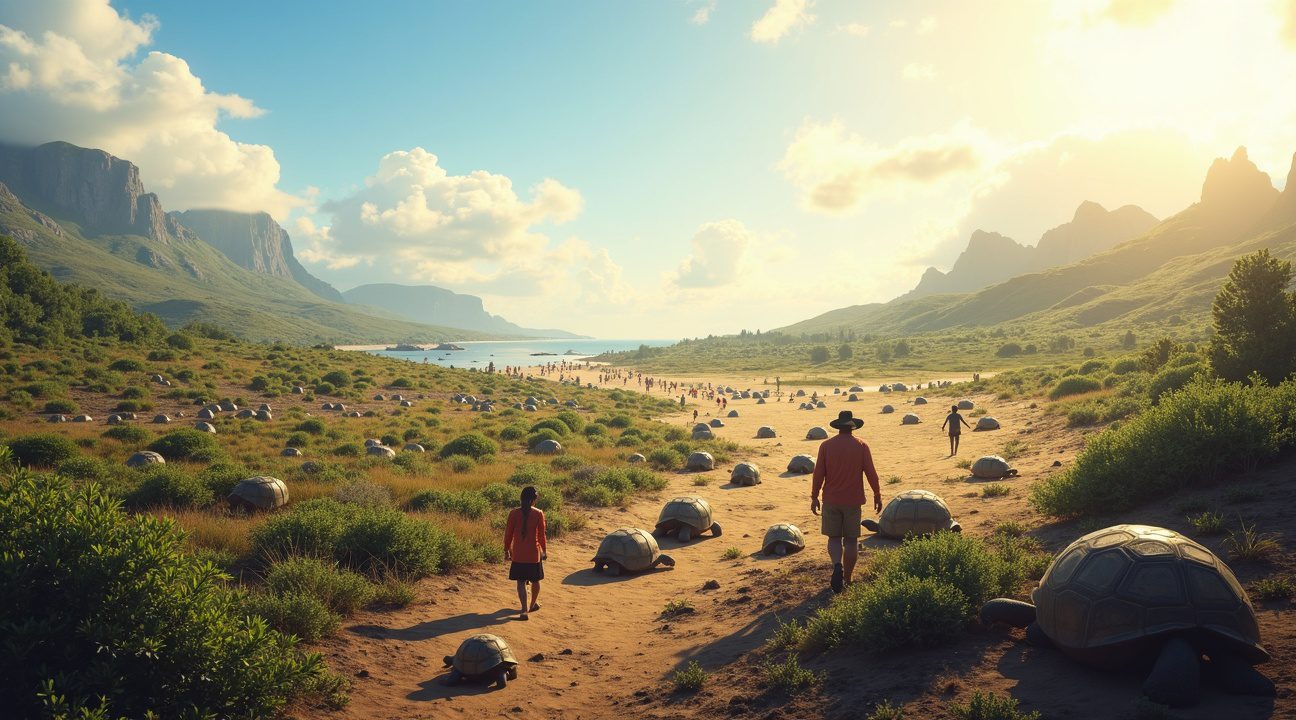
The Galápagos tortoise population tells one of conservation’s most dramatic stories of decline and recovery. These ancient giants once roamed their island home in massive numbers, with more than 250,000 individuals thriving across the archipelago during the 16th century. This abundance wouldn’t last long as human interference began reshaping their world.
The Path to Near Extinction
By the 1970s, the tortoise population had plummeted to approximately 15,000 individuals—a staggering 94% decline from their historical numbers. Several factors contributed to this catastrophic drop:
- Pirates, whalers, and settlers harvested tortoises extensively for their meat and oil, treating these slow-moving creatures as convenient food sources for long sea voyages.
- Agricultural expansion cleared vast areas of tortoise habitat, fragmenting their home ranges and reducing available food sources.
- Non-native animals introduced to the islands created additional pressures including:
- Goats competing directly for vegetation
- Pigs destroying tortoise nests and consuming eggs
- Rats preying on eggs and hatchlings, impeding successful reproduction
These combined pressures created a perfect storm that nearly wiped out these remarkable creatures entirely.
Conservation Success Stories
Dedicated conservation efforts have transformed the tortoise population outlook dramatically. Scientists and conservationists recognized the urgent need for intervention and implemented comprehensive breeding programs that have proven remarkably successful. Captive breeding facilities have produced thousands of juvenile tortoises, carefully raising them until they’re large enough to survive in the wild.
Release programs have systematically returned these captive-bred juveniles to their ancestral islands, where they’ve adapted well to their natural environments. Each release follows careful planning to ensure genetic diversity and proper habitat conditions. Conservationists also work to remove invasive species and restore native vegetation, creating better conditions for tortoise survival and reproduction.
These efforts have yielded impressive results that demonstrate conservation’s potential when properly funded and executed. Population estimates from the beginning of the 21st century exceeded 19,000 individuals, representing a significant recovery from the 1970s low point. This upward trend continues as breeding programs expand and habitat restoration progresses across multiple islands.
The tortoise recovery program has become a model for other endangered species conservation efforts worldwide. Research techniques developed for DNA analysis have helped scientists understand genetic diversity within tortoise populations. Modern tracking methods allow researchers to monitor individual tortoises throughout their long lives, gathering crucial data about behavior, reproduction, and habitat use.
Success stories like Gramma’s remarkable 141-year lifespan highlight both the species’ incredible longevity and the importance of ongoing protection efforts. Each individual tortoise represents decades of evolutionary adaptation and carries genetic material essential for species survival. Protecting these ancient creatures requires continued vigilance against new threats and sustained commitment to habitat preservation.
Recovery efforts have expanded beyond simple population numbers to include ecosystem restoration that benefits countless other species. Tortoise grazing patterns help maintain native plant communities, while their movement disperses seeds across island landscapes. This ecosystem engineering role makes tortoises keystone species whose protection ripples throughout their island homes.
Current population trends remain cautiously optimistic, though challenges persist. Climate change presents new uncertainties for island ecosystems, while ongoing human development continues to pressure tortoise habitats. Conservation programs have proven that dedicated effort can reverse even severe population declines, offering hope for other endangered species facing similar challenges.
Sources:
YouTube – Gramma the Galapagos tortoise dies at 141
Wild Florida’s Gator Park Blog – Galápagos Tortoise Lifespan: How Long Do They Live?
Wikipedia – Galápagos tortoise
London Zoo – Galapagos tortoise
Earth Rangers – Galapagos tortoises are one of the longest living animals, some reaching over 150 years old
A-Z Animals – How Old Is the World’s Oldest Turtle? 5 Turtles that Survived for …